%20(1).png)

Learn how to set new goals after graduating from an addiction treatment center in South Carolina. Discover ways to stay on track and monitor your progress.
Graduating from a professional program at an addiction treatment center in South Carolina is a major milestone. After all, it marks months of hard work, self-reflection, and growth. But reaching this point is just the beginning. The next challenge? Building a future that supports continued sobriety and helps you thrive in all areas of your life.
This article is here to guide you through setting recovery goals that are achievable, personalized, and grounded in ongoing support. Whether you’re transitioning from a South Carolina drug addiction treatment clinic or continuing your journey at home, these strategies can help you maintain momentum and stay accountable.
When you complete a program at an addiction treatment center in South Carolina, you build a structure, support, and a roadmap for recovery. However, returning to daily life often requires new planning and intentional direction. And without it, old habits and patterns can quickly fill the space left behind. This can make you more susceptible to relapse.
Setting post-treatment goals matters, as it helps you stay motivated, keep long-term sobriety front-of-mind, and create a sense of purpose beyond addiction. Goals are also there to ensure that the progress you made in treatment doesn’t fade, providing a clear path to maintain the skills, coping strategies, and self-awareness you developed during your time at the facility.
Before setting new recovery goals, it’s important to pause and reflect on the journey you’ve already completed. Whether you participated in 30 day alcohol rehab programs or long-term care, taking time to evaluate your progress helps create a roadmap for the next steps in your recovery.
Consider asking yourself questions like:

Many associate recovery with staying sober. But its impact goes beyond that because it touches every corner of your life. At an addiction treatment center in South Carolina, you will be encouraged to set goals that foster growth across multiple areas. The aim is to ensure that progress in treatment translates into a balanced, fulfilling life.
Consider setting goals in these key categories:
By addressing multiple life areas, you create whole-life goals that support whole-person recovery.
Setting vague resolutions like “I want to stay sober” can be motivating, but they often lack the clarity needed to track real progress. If you ask any rehab center elsewhere or a reputable professional addiction treatment in South Carolina, using frameworks like SMART can go a long way.
Simply put, this goal framework helps you turn intentions into actionable, measurable steps. Here’s how SMART goals work:
Also, keep in mind that recovery is easier and more sustainable when you have people cheering you on and holding you accountable. And the most common resources to build your support network include:
Now, what does a strong support network do?
Primarily, it provides encouragement during challenging moments, helps you stay committed to your goals, and offers guidance based on experience. As attested by any reputable addiction treatment center in South Carolina, surrounding yourself with supportive individuals can help you hit your goals and sustain your recovery.
As you may already know, sobriety isn’t a straight line, and your goals will naturally evolve as life changes. Tracking your progress helps you see what’s working, identify areas for improvement, and maintain motivation.
Practical ways to monitor growth include journaling daily or weekly, using habit-tracking apps, having monthly check-ins with your therapist or sponsor, and reviewing or rewriting your goals quarterly. A professional addiction treatment in South Carolina will emphasize to you that adjusting goals is not a sign of failure. If anything, it’s a natural part of the recovery process and helps keep your journey sustainable.
Regularly evaluating your progress allows you to celebrate milestones and make intentional shifts when necessary. By staying flexible and responsive, you ensure that your recovery goals remain relevant, achievable, and aligned with your evolving needs, supporting long-term success beyond the walls of treatment.

Continuing recovery after completing treatment requires direction, intention, and ongoing support. Setting realistic and meaningful goals that align with your values helps you maintain sobriety, build a balanced life, and keep moving forward.
Want to create a solid plan for long-term recovery? Reach out to our team at Lotus Recovery. As a trusted addiction treatment center in South Carolina, we offer guidance and support tailored to your needs.
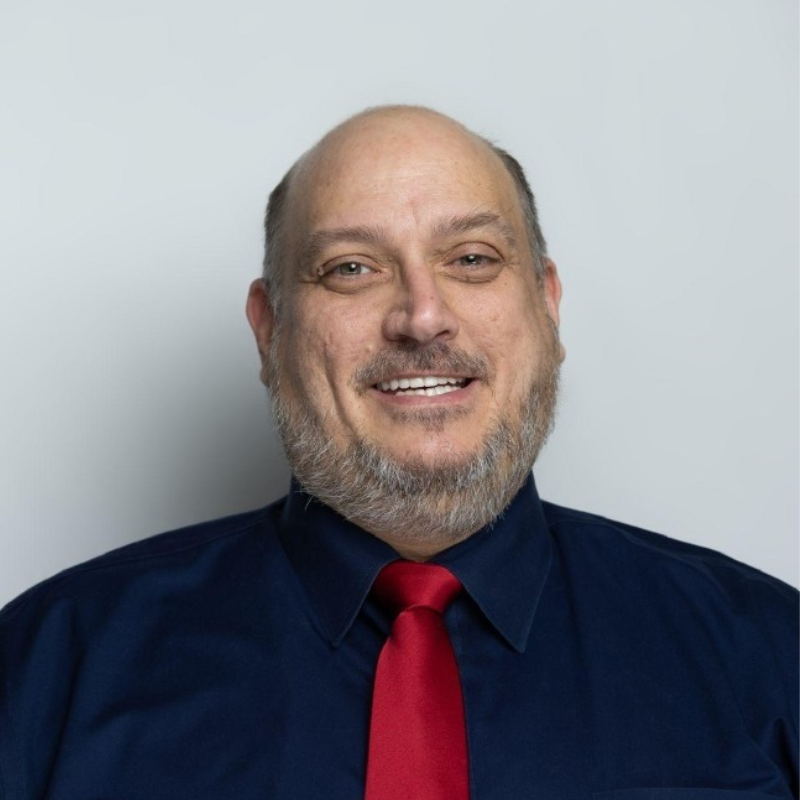
Medical Reviewer
David is the Executive Director at Lotus Recovery with over 27 years of experience in addiction and mental health treatment. He holds a Bachelor’s degree in Psychology from Edinboro University of Pennsylvania and a Master’s degree in Psychology from Capella University. David is a Certified Clinical Supervisor in both South Carolina and Pennsylvania and has served on Opioid Task Force Teams in Erie, PA and Buffalo, NY, with leadership experience across multiple levels of care in several states.
.webp)
.webp)
.jpg)