%20(1).png)

Explore how PHP treatment South Carolina supports early recovery with daily care and structure. Learn why starting with PHP can lead to better outcomes.
The road to recovery begins with a single step. But with several treatment options available, it’s not always easy to know which path to take. A partial hospitalization program or PHP treatment South Carolina offers a strong place to start, especially when you need more support than standard outpatient care but don’t require a full inpatient stay.
This program gives you a balance of structure and flexibility. If you want to learn more about PHP, this article is for you. We’ll discuss what it is, how it works, and how it compares with an intensive outpatient program in South Carolina.
A partial hospitalization program gives you access to treatment during the day while allowing you to return home at night. This setup provides consistent support without requiring you to stay at a facility full-time.
Compared to outpatient care, PHP offers more hours of treatment and closer clinical supervision. At the same time, it’s less intensive than inpatient care, since you’re not living on-site. This makes it a middle ground that works well if you need structure while retaining some degree of independence.
In a partial hospitalization program in South Carolina, your day typically includes individual therapy, group sessions, and, if needed, medical or psychiatric support. All this helps you address both the physical and emotional aspects of recovery while building skills you can apply outside of treatment.
Indeed, PHP treatment South Carolina offers a level of support early in recovery that can make a meaningful difference, especially when you’re still adjusting to life without substances.
Here’s how choosing it as the starting point of your recovery can lead to better outcomes.
Starting with a higher level of care means you’re not left to figure things out on your own.
You have consistent access to clinical guidance and support during a critical stage. This allows you to ask questions, process challenges in real time, and get immediate feedback from professionals. It also helps reduce the pressure of having to manage everything independently in the beginning.
Early recovery can be unstable. Having daily treatment and supervision can help you manage triggers and reduce the risk of returning to use. You’re able to identify patterns early and address them before they escalate.
Regular check-ins also create a level of accountability that can keep you more focused on your progress.
PHP gives you time to work through underlying issues, develop coping skills, and establish routines before stepping down to a less intensive level of care. Instead of rushing through treatment, you’re given space to build habits that can actually stick.
This can make transitions to lower levels of care feel more manageable and less abrupt.
With PHP in South Carolina, you follow a regular treatment schedule while still returning home each day. This allows you to apply what you’re learning in real situations, helping recovery feel more practical and sustainable.
With this setup, you can test coping strategies in your own environment and bring those experiences back into treatment.
PHP and IOP both offer structured support, but they serve different purposes depending on where you are in recovery. In a nutshell, PHP provides a higher level of care, while an intensive outpatient program in South Carolina is often used as a step-down once you’ve gained more stability.
In this section, we’re breaking down their key differences.
Choosing where to begin can really feel uncertain, especially with different levels of care available. PHP treatment South Carolina can be a strong starting point for many people, but it depends on your specific needs and situation.
Here are some signs this approach is the right starting point for you:
Keep in mind that in recovery, there’s not a one-size-fits-all approach, and that’s okay. Exploring your options can help you find a starting point that feels realistic and supportive for where you are right now.
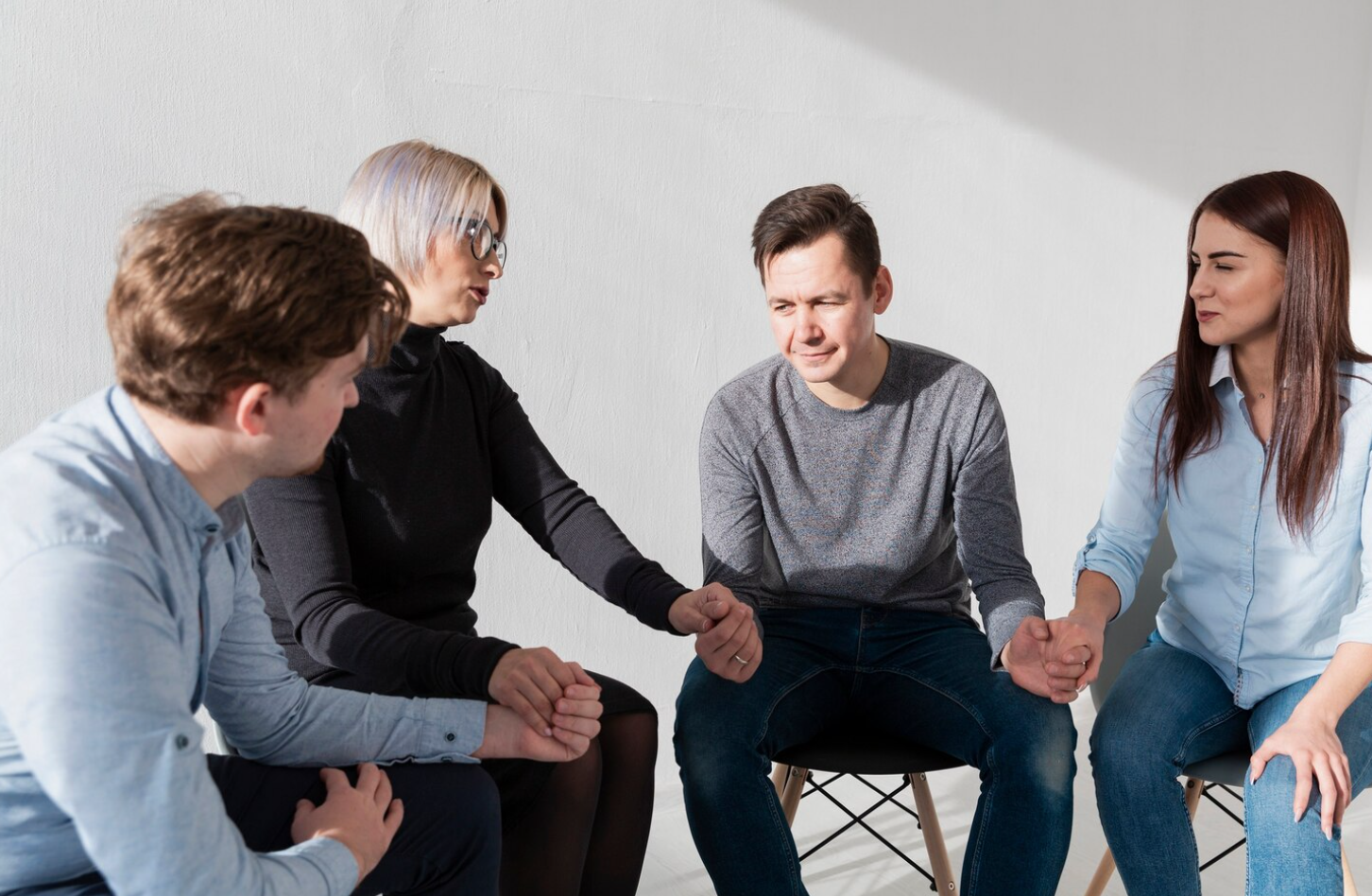
Where you begin treatment matters. PHP gives you consistent support, daily care, and enough time to build routines before stepping down to a lower level of care.
With PHP treatment South Carolina, you’re working through recovery with guidance in place. You can focus on building habits, handling challenges as they come up, and staying engaged day to day.
At Lotus Recovery, we provide PHP programs that combine clinical care with a steady schedule and ongoing support. If you’re considering treatment, starting with a level of care that gives you this kind of consistency can help you move forward with more clarity. Get in touch today
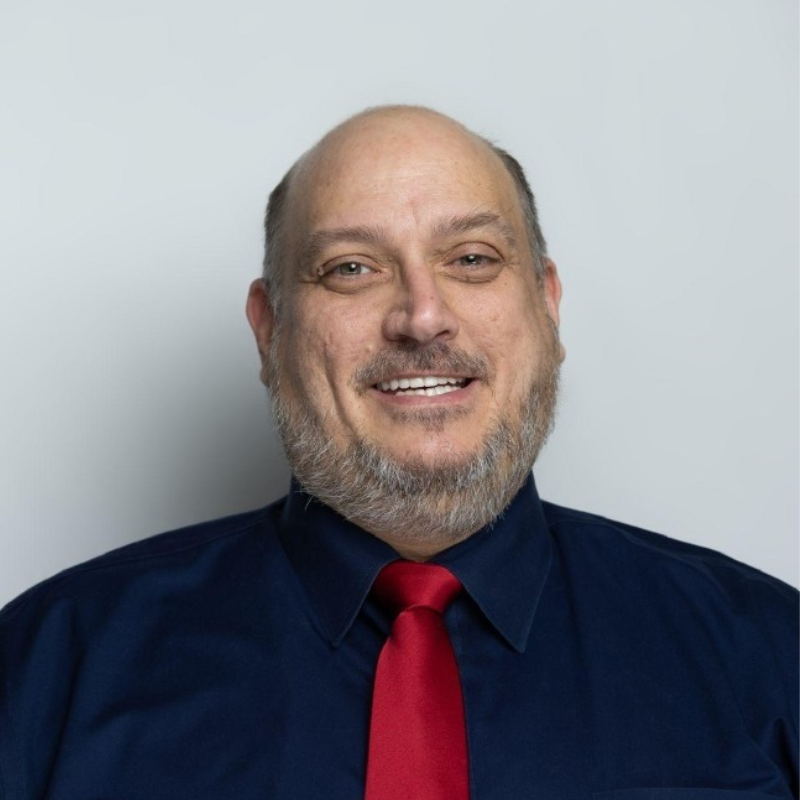
Medical Reviewer
David is the Executive Director at Lotus Recovery with over 27 years of experience in addiction and mental health treatment. He holds a Bachelor’s degree in Psychology from Edinboro University of Pennsylvania and a Master’s degree in Psychology from Capella University. David is a Certified Clinical Supervisor in both South Carolina and Pennsylvania and has served on Opioid Task Force Teams in Erie, PA and Buffalo, NY, with leadership experience across multiple levels of care in several states.


.webp)