%20(1).png)
.jpeg)
Discover how licensed clinicians deliver professional addiction treatment. Choose the right program in South Carolina to improve recovery outcomes.
Addiction doesn’t wait for the right moment, and neither should the care you get. Professional addiction treatment is about more than checking boxes. It’s a structured, expert-led approach to helping you reclaim control over your life. And licensed clinicians are the ones who make it work.
In this article, we’ll break down exactly what licensed clinicians do, why their expertise matters, and how programs like PHP and IOP in South Carolina give you — or someone you care about — the real support needed to get past addiction.
Professional addiction treatment means your care is handled by people who are legally trained and clinically qualified to treat addiction as a medical and psychological condition. Their treatment is built on assessment, diagnosis, and ongoing adjustment. And that’s the line between professional treatment and self‑help or informal support.
Self‑help groups can offer community. Friends can offer encouragement. However, neither can evaluate mental health disorders, manage risk, or change a treatment plan when something clearly isn’t working. Professional treatment exists for the moments when willpower and support alone aren’t enough.
Structured programs matter because addiction doesn’t resolve itself in random steps. Timelines, therapy models, accountability, and clinical oversight all work together to reduce your risk of relapse and stabilize progress over time.
At a South Carolina drug addiction treatment clinic, licensed clinicians are the professionals who run the real work of recovery. These include psychologists, counselors, therapists, and medical providers who have formal training, certifications, and state licenses to treat addiction safely and effectively.
Their training goes beyond a single program or workshop.
Clinicians complete years of education, supervised practice, and exams to earn credentials that allow them to diagnose mental health conditions, develop treatment plans, and provide therapy. Each type of clinician has a specific scope of practice, but all are trained to identify the complex factors that drive addiction and respond appropriately.
In practice, their role is hands-on and ongoing.
Licensed clinicians assess your situation, set measurable goals, guide therapy sessions, adjust treatment as progress is made or setbacks occur, and coordinate care across the whole program.

Here’s how clinicians implement and monitor professional addiction treatment programs.
The first step is understanding exactly what’s happening. Clinicians evaluate the severity of addiction, look for underlying mental health issues, and identify patterns that might put recovery at risk. This is a detailed assessment that sets the stage for every decision that follows.
Once the assessment is complete, clinicians design a plan tailored to the individual. This can include inpatient care, PHP (Partial Hospitalization Program), or IOP (Intensive Outpatient Program), depending on the person’s needs. The plan isn’t static; it’s adjusted as the patient progresses or encounters obstacles, ensuring care is always aligned with reality.
Therapy is a core part of anyone’s recovery process. Clinicians run individual sessions, group meetings, and sometimes family therapy to address the behavioral and emotional aspects of addiction. Each session has a purpose, whether it’s building coping skills, unpacking triggers, or repairing relationships.
Finally, clinicians constantly track progress. They notice setbacks early, tweak treatment approaches, and make sure recovery remains safe and effective. This ongoing supervision is what separates professional addiction treatment from informal attempts at recovery.
When you choose an addiction treatment center in South Carolina, the biggest difference is having access to licensed clinicians guiding your care. Their training and expertise make every step of recovery safer, smarter, and more effective. Here’s what that looks like in practice:
Choosing a clinic carefully ensures that the care you receive is professional, structured, and led by people who understand addiction inside and out. When looking for professional addiction treatment, focus on these practical steps:
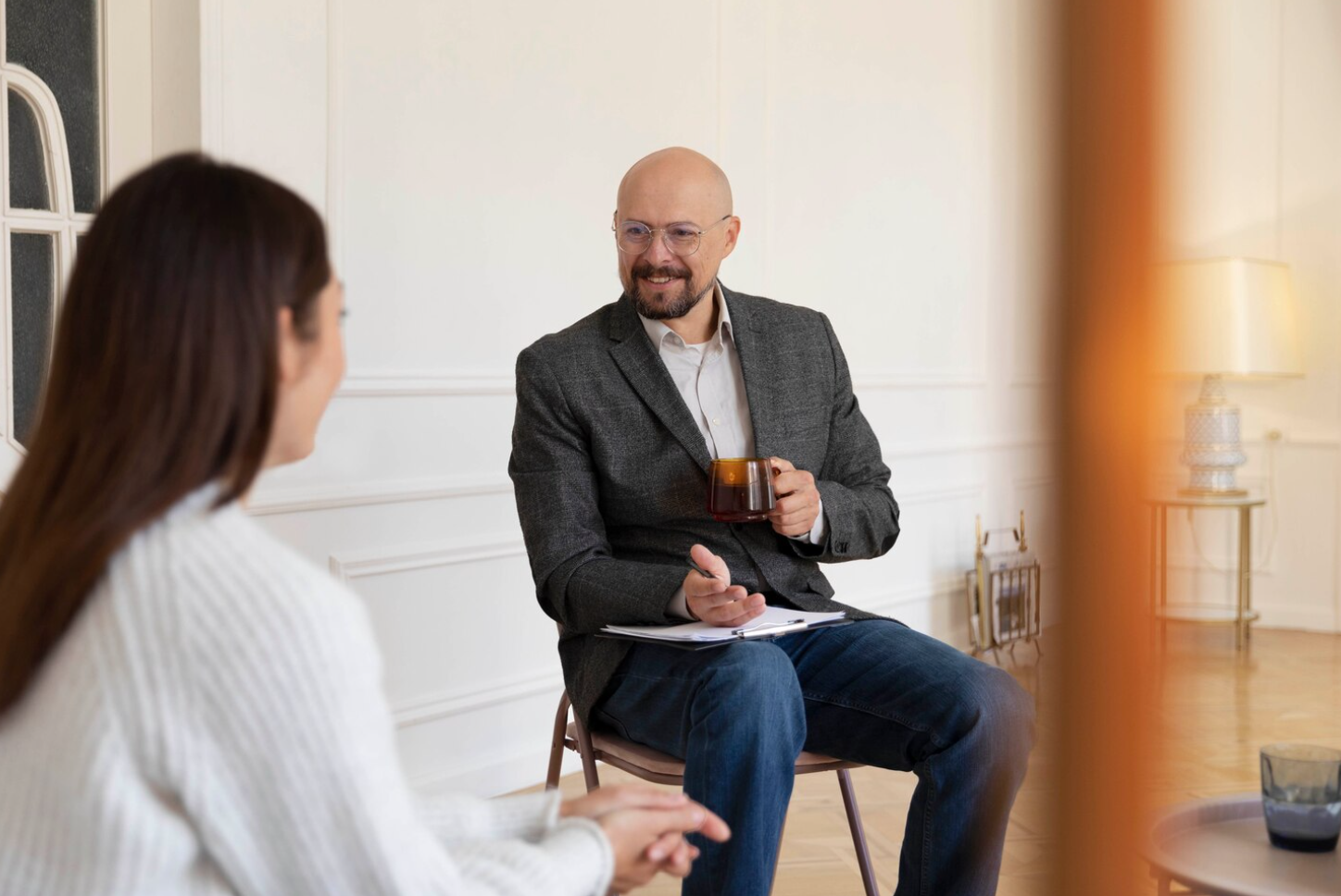
Licensed clinicians are the backbone of any effective professional addiction treatment program. Their expertise, ongoing assessment, and hands-on guidance turn treatment from a set of activities into a real, measurable path toward recovery. Without trained professionals, it’s easy to stall or fall back into old patterns.
If you or someone you care about is struggling with addiction, professional care could spell the difference between temporary relief and lasting recovery. Programs led by licensed clinicians give you the structure, accountability, and personalized support that make real change possible.
At Lotus Recovery, we provide comprehensive treatment tailored to your needs. Get in touch today!
Medical Reviewer
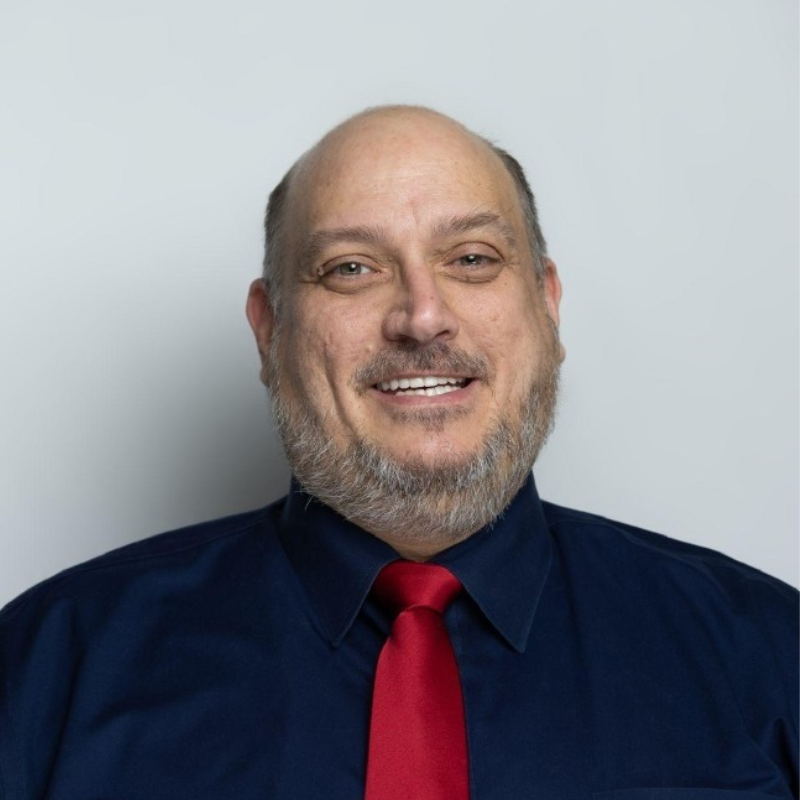
David is the Executive Director at Lotus Recovery with over 27 years of experience in addiction and mental health treatment. He holds a Bachelor’s degree in Psychology from Edinboro University of Pennsylvania and a Master’s degree in Psychology from Capella University. David is a Certified Clinical Supervisor in both South Carolina and Pennsylvania and has served on Opioid Task Force Teams in Erie, PA and Buffalo, NY, with leadership experience across multiple levels of care in several states.
.webp)
.webp)
.jpg)