%20(1).png)
.png)
Explore comprehensive recovery options at an addiction treatment center in South Carolina. Know the difference between inpatient, PHP, and outpatient care.
Facing addiction can leave you feeling drained and unsure of your next step. At an addiction treatment center in South Carolina, you get more than just a place to stop using; you get a team that helps you rebuild your body, mind, and routines. From personalized therapy plans to medical support and structured daily programs, these centers adapt to your needs so recovery isn’t one-size-fits-all.
In this article, you’ll explore the care options and programs available, so you can see how professional support can fit into your journey toward lasting sobriety.
Comprehensive care in an addiction treatment center in South Carolina means addressing every aspect of your recovery, not just stopping substance use. It combines medical supervision, therapy, and support systems to help your body and mind heal together.
These programs bring together medical care, counseling, and social support so you can tackle withdrawal symptoms, emotional challenges, and lifestyle changes all at once. Having access to multiple layers of care helps you stay balanced and supported throughout the recovery process.
Using an integrated approach improves your chances of long-term success. By combining these services, you receive consistent guidance and tools for life beyond treatment, which is why many people seek professional addiction treatment in South Carolina.
An inpatient drug rehab program provides full-time, residential care for people who need intensive support to overcome substance use. These programs are suited for individuals who experience severe withdrawal symptoms, have struggled with repeated relapses, or require a highly structured environment to focus entirely on recovery.
Inpatient programs provide a controlled, supportive space to manage detox, stabilize your health, and begin rebuilding routines. The combination of medical care, therapy, and peer support helps you gain confidence and momentum early in your recovery journey.

A PHP treatment program provides intensive, structured therapy during the day while allowing you to return home in the evenings. Unlike inpatient care, you don’t live at the facility, making it a flexible option for people who need strong support but can safely manage recovery at home.
PHP is ideal if you’ve completed detox or inpatient rehab and need a bridge to full independence, or if you require consistent therapy and supervision while balancing work, school, or family responsibilities.
PHP programs maintain the intensity of care you need while offering the flexibility to apply recovery skills in real-world settings.
An addiction treatment center in South Carolina also often provides outpatient and aftercare services to help you maintain progress once intensive treatment ends. These programs support long-term recovery by offering continued therapy, accountability, and resources as you reintegrate into daily life.
These services provide a flexible yet structured framework to maintain recovery, reduce relapse risk, and strengthen the skills needed for lasting sobriety.
Selecting the right program is a critical step in your recovery journey.
First off, look for an addiction treatment center in South Carolina that is properly certified, uses evidence-based treatment modalities, and has experienced staff who can provide both medical and emotional support. Ensuring the center offers individualized care plans helps you get treatment tailored to your unique challenges.
It’s also important to match the level of care to your specific needs. Some people benefit most from inpatient drug rehab, while others may thrive in a PHP or outpatient setting. Evaluating your medical history, severity of substance use, and personal responsibilities will guide you toward the program that fits best.
Consider the expertise and approach of the staff. Programs with multidisciplinary teams — such as therapists, medical professionals, and case managers — can address physical, psychological, and social aspects of recovery all at once. This integrated approach often leads to better long-term outcomes.
Choosing a South Carolina drug addiction treatment clinic that meets these criteria gives you a strong foundation for recovery. The right program can provide structured support, teach coping strategies, and help you build the tools necessary to maintain sobriety beyond treatment.

Comprehensive, individualized care is essential for successful addiction recovery. Programs that combine medical support, therapy, and social resources address the full spectrum of needs, helping you rebuild your life sustainably.
Inpatient rehab, PHP, and outpatient services each play a distinct role, providing a continuum of care that supports detox, stabilization, skill-building, and long-term maintenance. Together, they create a seamless path from intensive treatment to independent recovery.
Seeking support from a reputable addiction treatment center in South Carolina? At Lotus Recovery, we offer a full range of evidence-based programs tailored to your needs. Contact us now!
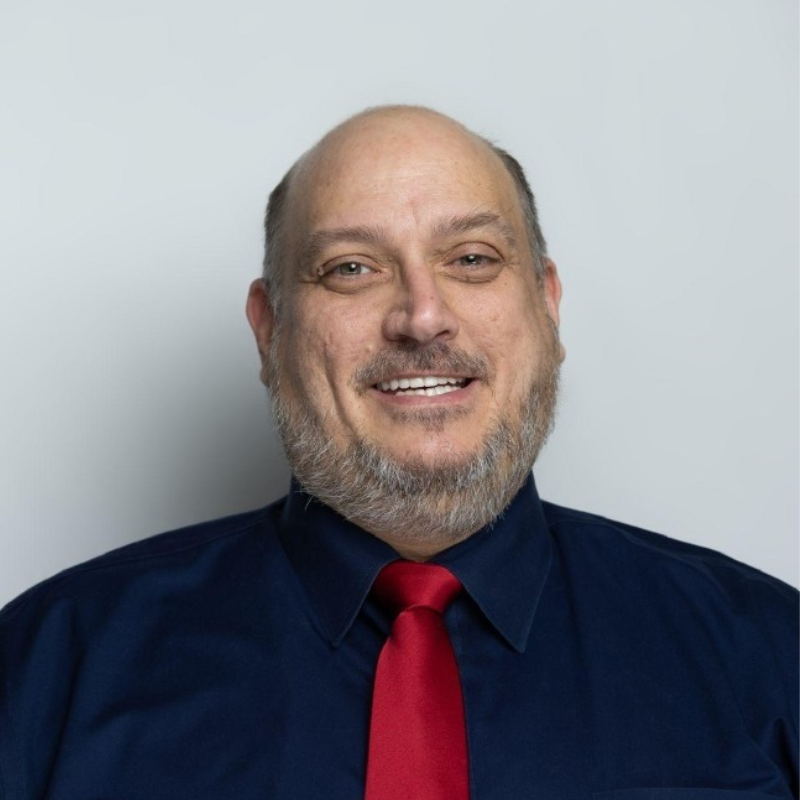
Medical Reviewer
David is the Executive Director at Lotus Recovery with over 27 years of experience in addiction and mental health treatment. He holds a Bachelor’s degree in Psychology from Edinboro University of Pennsylvania and a Master’s degree in Psychology from Capella University. David is a Certified Clinical Supervisor in both South Carolina and Pennsylvania and has served on Opioid Task Force Teams in Erie, PA and Buffalo, NY, with leadership experience across multiple levels of care in several states.


.webp)