%20(1).png)

Explore when a partial hospitalization program in South Carolina is the right choice for your recovery. Learn how it works and what to expect from treatment.
Sometimes, weekly therapy just isn’t enough. You leave your appointment feeling hopeful, but by midwee,k your symptoms creep back in. At the same time, committing to full inpatient treatment can feel overwhelming — especially if you have work, school, or family responsibilities you can’t step away from. If you’re stuck between those two options, a partial hospitalization program in South Carolina may be the middle ground you’ve been looking for.
This program gives you structured, intensive support during the day while allowing you to return home in the evenings.
In this article, you’ll learn exactly what such a program involves, who it’s designed for, how it compares to other levels of care like inpatient or outpatient treatment, and the key signs that it might be the right next step for you.
A PHP in South Carolina is a structured, intensive treatment program designed for people who need more support than traditional outpatient therapy but don’t require 24/7 inpatient care.
In this setting, you attend treatment during the day (typically five to six days a week for several hours at a time) and return home in the evenings. It gives you consistent clinical support while still allowing you to maintain responsibilities and stay connected to your home environment.
In PHP, your schedule usually includes individual therapy, group counseling, and medication management if needed. You may also participate in skill-building sessions focused on coping strategies, emotional regulation, relapse prevention, and stress management.
These programs are designed to treat both mental health conditions and substance use disorders, offering a higher level of care to help you stabilize, build structure, and make meaningful progress in recovery.

When you’re deciding on the right level of care, understanding how a partial hospitalization program in South Carolina compares to other options can make the choice clearer. Each program serves a different purpose depending on the level of support you need.
Inpatient treatment provides 24/7 care in a residential setting.
Choosing this setting entails living on-site, receiving around-the-clock supervision, and stepping away from your normal environment completely. This level of care is often necessary if you’re in crisis, experiencing severe symptoms, or need medical monitoring during detox. While it offers the highest level of structure, it also requires the biggest time commitment and separation from daily life.
An intensive outpatient program in South Carolina offers more flexibility.
Here, you attend treatment several days a week for a few hours at a time, but the time commitment is lower than PHP. IOP can be a good fit if you’re stable and able to manage responsibilities while still benefiting from consistent therapeutic support.
PHP treatment South Carolina sits between these two levels of care. It provides more structure and clinical oversight than IOP, but it’s less restrictive than inpatient treatment. You get comprehensive, daily support without staying overnight, making it the “middle level” of care for people who need significant help but don’t require 24-hour supervision.
Now that you understand how a partial hospitalization program in South Carolina compares to other treatment options, the next question is simple: how do you know if it’s right for you? Certain signs can point to needing more structured support than traditional outpatient care provides.
If you find yourself struggling between appointments or feeling like one session a week isn’t enough to manage your symptoms, that’s a red flag. You may need daily structure, accountability, and consistent clinical guidance to stabilize and make real progress.
If you’ve recently completed residential or inpatient treatment, going straight back to normal life can feel overwhelming. PHP gives you continued support while you transition, helping you maintain momentum without the intensity of 24/7 supervision.
Maybe your depression is interfering with work, your anxiety feels constant, or your mood swings are becoming harder to manage. When symptoms start disrupting your daily functioning, a higher level of care can provide the focused attention needed to regain stability.
If cravings are increasing or old patterns are resurfacing, waiting it out can make things worse. A structured program can help you strengthen coping skills, identify triggers, and build accountability before a full relapse happens.
You might need intensive support, but you also have responsibilities at home. A Partial Hospitalization Program in South Carolina allows you to receive several hours of treatment each day while still returning home in the evenings, giving you the balance of structure and flexibility.
When you enroll in a partial hospitalization program in South Carolina, your days are structured with clinical support designed to help you stabilize, build skills, and move forward in recovery. Here’s what to expect:
At the end of each treatment day, you return home. That balance — intensive daytime care with the ability to sleep in your own bed at night — is one of the key advantages of PHP treatment South Carolina programs.

Feeling stuck between weekly therapy and inpatient treatment? A partial hospitalization program in South Carolina is the ideal middle ground you’re looking for.
It offers a balanced level of care: more structure than outpatient services, but without the full-time commitment of residential treatment. It gives you daily clinical support, skill-building tools, medication management when needed, and the ability to return home each evening. For many people, that middle level of care is exactly what makes lasting progress possible.
If you’re wondering whether this is the right next step for you, our team at Lotus Recovery can help. Reach out today to learn more!
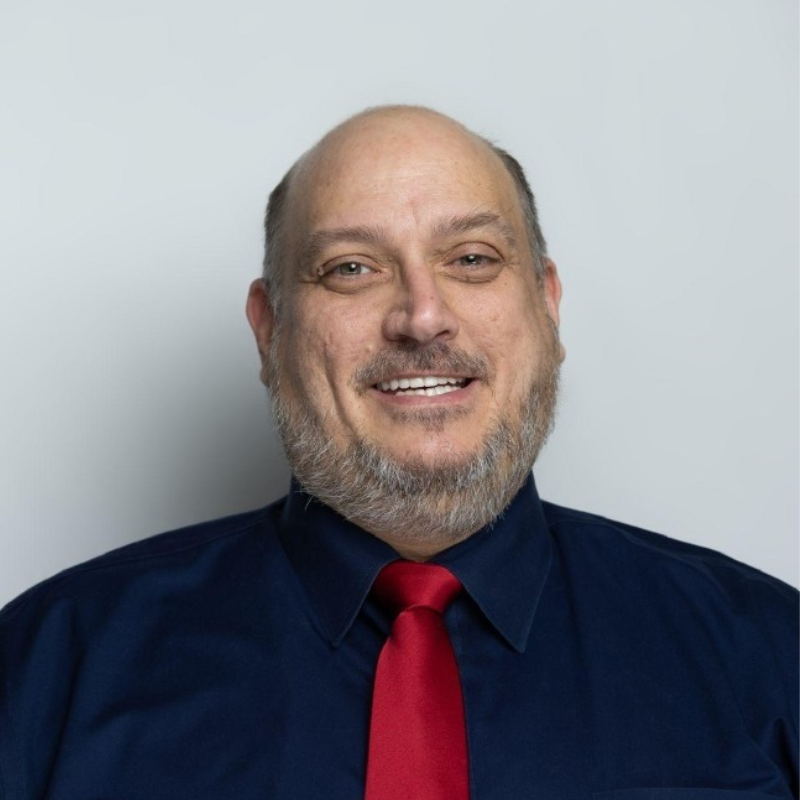
Medical Reviewer
David is the Executive Director at Lotus Recovery with over 27 years of experience in addiction and mental health treatment. He holds a Bachelor’s degree in Psychology from Edinboro University of Pennsylvania and a Master’s degree in Psychology from Capella University. David is a Certified Clinical Supervisor in both South Carolina and Pennsylvania and has served on Opioid Task Force Teams in Erie, PA and Buffalo, NY, with leadership experience across multiple levels of care in several states.

.webp)
.webp)