%20(1).png)
.png)
Wondering how outpatient rehab works? This step-by-step guide explains the structure, schedule, and therapies so you know what to expect before you make that call.
Maybe you've already ruled out a month away from your job, your kids, or your bills. Or maybe someone you love just finished residential treatment and you're trying to figure out what comes next. Either way, you've landed on the right question: how does outpatient rehab actually work?
We're going to walk through the real shape of outpatient treatment, what a typical week looks like, what the clinical work actually involves, and how you know when outpatient is the right level of care for where you are right now.
The short version: outpatient rehab lets you receive structured addiction treatment during scheduled hours while living at home or in a sober living environment. The longer version is worth understanding before you make a call.
The term "outpatient" covers a wide range. It's not a single program, it's a level of care. At one end, you have standard outpatient, which might mean one or two therapy sessions per week. At the other end, you have Intensive Outpatient Programs (IOP) and Partial Hospitalization Programs (PHP), which are far more structured and closer to what most people think of when they picture "rehab."
SAMHSA's treatment locator and guidelines break the continuum of care into four broad levels, with outpatient spanning a significant range of intensity. What matters for you is matching the level of structure to where you are clinically.
PHP is typically the most intensive outpatient option: several hours per day, five days a week, with individual therapy, group sessions, psychiatric support, and medication management. IOP runs on a more flexible schedule for people who are stabilized enough to manage daily life but still need consistent, structured support. If you're reading this as someone who just completed detox or is stepping down from residential care, both of these are worth understanding.
.png)
Step 1: The initial phone call and assessment.
This is where everything starts. When you call a program, expect a brief intake conversation. The goal isn't to screen you out. It's to understand where you are, what substances are involved, whether there are co-occurring mental health concerns, and which level of care fits your situation. At Lotus Recovery, this initial interview shapes the entire admission process and determines the right placement from the start.
Step 2: Placement and your first week.
Once eligibility is confirmed and an admission date is set, you start. The first week in any outpatient program is about orientation: learning the structure, meeting your clinical team, and getting honest about what brought you here. For most people, the first few sessions feel unfamiliar. That's normal. Structure is part of the treatment.
Step 3: Weekly clinical programming.
This is the core of how outpatient rehab works. Week to week, you're attending group therapy, individual sessions, and skills-based workshops. Group therapy is not just people sitting in a circle talking. It's a structured clinical setting where you process what's happening in real time, hear honest feedback, and build the accountability that most people in addiction have been missing for a long time.
Step 4: Ongoing support and plan adjustment.
Good outpatient programs don't set a schedule and disappear. Your clinical team checks in on how you're progressing, adjusts the approach when something isn't working, and connects you to additional resources if needed. That might mean adding individual mentorship, looping in family support sessions, or addressing a mental health concern that's been sitting underneath the substance use.
Step 5: Aftercare planning.
The work doesn't end when programming ends. Aftercare planning starts early in treatment and accounts for what your life looks like when structured sessions stop. That means relapse prevention strategies, community support connections, and a real plan for the months after discharge. NIDA's research on treatment effectiveness consistently points to continued care and monitoring as a primary factor in long-term recovery.
.png)
People often want to know what they'll actually do in outpatient rehab. The honest answer varies by program, but the core components in a well-run IOP usually include:
At Lotus Recovery's Intensive Outpatient Program, enrolled clients have access to an on-site sponsor for step work support and all meals and essentials are covered for those in associated housing. That's not an accident. Removing daily friction makes it easier to show up and do the actual work.
This is one of the most common questions we hear, and it's a good one. If you're stepping down from residential treatment or detox, a PHP might be the right bridge. The structure is tighter, the hours are longer, and the clinical oversight is closer to inpatient without the overnight stay. You can read more about how those two levels compare in our breakdown of IOP vs. PHP in South Carolina.
If you're managing work, school, or family obligations and you're at a place where you can safely live at home or in sober living, IOP gives you real structure without requiring you to put your whole life on hold. The key is being honest about where you actually are, not where you wish you were.
Lotus's Partial Hospitalization Program includes individual therapy, group sessions built around 12-Step principles, life skills, relapse prevention, medication management, and psychiatric support. The IOP version of that same programming is built for the next phase, when you're stable enough to carry more of the structure yourself.
.png)
Outpatient rehab works when you show up consistently, when you're honest in group, and when the program around you is structured enough to hold you accountable even on the days you don't want to be there. It works when there's real clinical oversight, not just weekly check-ins, and when the team around you actually knows your name and your situation.
It's harder when someone is still in active withdrawal, doesn't have stable housing, or is surrounded by people and environments that pull directly against the work. That's not a judgment. It's just clinical reality. The American Society of Addiction Medicine's placement criteria exist specifically to help people and providers match level of care to actual need.
If outpatient is the right level but the environment at home makes it nearly impossible, housing support matters. Lotus's IOP includes associated housing as an option, which is worth asking about directly if that's where you are.
If you're ready to take a real next step, we'd encourage you to reach out to our admissions team and ask whatever questions are on your mind. No pressure, no pitch. Just a real conversation about where you are and what might actually help.
You can also read what past clients say about Lotus Recovery on Google if you want a sense of what the experience is actually like from the people who've lived it.
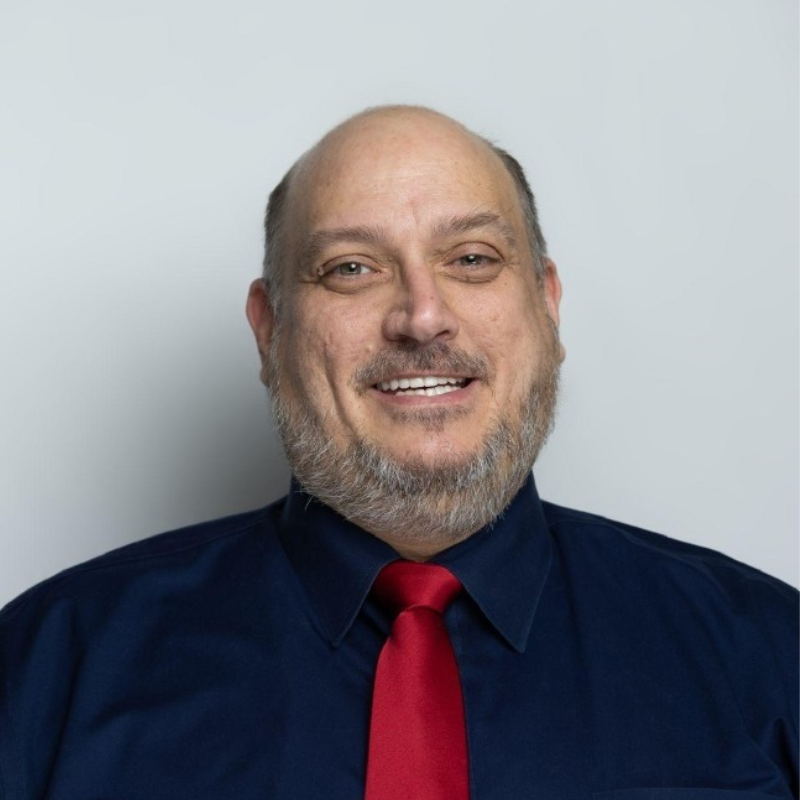
Medical Reviewer
David is the Executive Director at Lotus Recovery with over 27 years of experience in addiction and mental health treatment. He holds a Bachelor’s degree in Psychology from Edinboro University of Pennsylvania and a Master’s degree in Psychology from Capella University. David is a Certified Clinical Supervisor in both South Carolina and Pennsylvania and has served on Opioid Task Force Teams in Erie, PA and Buffalo, NY, with leadership experience across multiple levels of care in several states.

.webp)
.webp)