%20(1).png)
.jpeg)
Compare IOP vs PHP to find the recovery program that fits your life and goals. Explore options at a trusted South Carolina drug addiction treatment clinic.
Here’s a universal truth in the addiction treatment space: No two recovery journeys look the same. And to really attain lasting sobriety, one key step to take is choosing the right treatment approach. For many, deciding between an IOP vs PHP program can feel confusing, especially when you’re trying to balance recovery with work, school, or family.
In this guide, you’ll see how IOP and PHP programs work in South Carolina, what each includes, who they benefit, and how your personal situation can shape the best choice.
An Intensive Outpatient Program (IOP) in South Carolina gives you structured support without asking you to step away completely from your daily life.
You attend regular therapy sessions and skill-building workshops while continuing work, school, or family responsibilities. This schedule helps you practice new coping strategies in real time while receiving guidance to stay on track. Here’s what you do in a typical IOP:
A Partial Hospitalization Program (PHP) in South Carolina addiction treatment gives you a higher level of care in a structured and supportive environment while still letting you return home or to a sober living arrangement each day.
If you’ve recently left inpatient treatment or need more intensive support than an IOP provides, PHP bridges that gap, helping you maintain momentum in recovery.
During the day, you’ll engage in extended therapy sessions, skill-building workshops, and group counseling designed to help you stabilize physically and emotionally. PHP also gives you the time and space to work on deeper issues, such as trauma, anxiety, depression, or long-term behavioral patterns, all under the guidance of experienced clinicians.
This step-down approach ensures you get the structure you need to strengthen your recovery without requiring 24-hour supervision.

When deciding between an IOP vs PHP program, it helps to break down the differences in intensity, duration, and daily experience.
PHP is more intensive during the week, typically requiring 20 to 30 hours across 5 to 7 days, with sessions lasting 4 to 6 hours each day. This structure focuses on stabilization and provides continuous support, but it can be harder to work, attend school, or manage other responsibilities while in the program.
IOP, on the other hand, is less time-consuming each week, usually 9 to 20 hours across 3 to 5 days, with 2- to 4-hour sessions, letting you stay engaged in your daily life while practicing recovery skills.
PHP generally runs for a shorter period, often 4 to 6 weeks, because of its daily intensity. IOP typically lasts longer, around 12 to 16 weeks or more. This gives you more time to build skills gradually and apply them in your everyday environment.
PHP provides a higher level of care, addressing both substance use and co-occurring mental health conditions in a structured environment. IOP focuses on integrating recovery into daily life, teaching coping skills and relapse prevention while maintaining flexibility.
IOP offers more flexibility, allowing you to continue work, school, or family responsibilities. PHP requires a larger daily time commitment, which can limit outside activities but provides an intensive environment to focus on recovery.
When you compare IOP vs PHP, another key factor to consider is how the total length of a program affects your recovery. Addiction changes the brain, and rewiring habits, coping strategies, and thought patterns takes time.
Shorter programs, like a typical 30-day program in South Carolina, can give you a strong start. However, a longer program (such as a 90-day long-term program in South Carolina) provides extra time to solidify those changes.
Spending more time in treatment helps you reduce relapse risk by practicing new routines consistently and applying the skills you learn in real-life situations. It also gives your relationships, sense of identity, and confidence the space to recover alongside you.
Deciding which path to take can be overwhelming, knowing that your personal situation can make a big difference in which program fits best. Many South Carolina drug addiction treatment clinics offer professional assessments to help guide this decision, but it also helps to reflect on your own circumstances.
Consider factors like your addiction severity, mental health needs, and the risk of relapse. Your home environment, work or family responsibilities, and any previous treatment experiences can all influence which program will give you the support you need.
Here are some key factors to think about:
Whether you choose an IOP vs PHP or any other treatment options, your recovery doesn’t stop the day you leave treatment. Aftercare provides the ongoing support you need to maintain progress and prevent relapse. Programs that continue care beyond discharge help you transition smoothly back into your daily life while keeping the skills and routines you built in treatment active.
Strong aftercare often includes outpatient programs, allowing you to continue therapy while living at home.
Sober living arrangements give a supportive environment if you need structure while adjusting to everyday responsibilities. Counseling, both individual and group, helps you process emotions and address challenges as they arise. Support groups connect you with peers who understand your experiences, creating accountability and encouragement.
Meanwhile, case management ensures you have the resources, guidance, and check-ins you need to stay on track and make long-term recovery sustainable.

Choosing between an IOP vs PHP comes down to what fits your life, responsibilities, and recovery goals. One isn’t automatically better than the other; it’s about finding the program that matches your needs, whether that’s a shorter, flexible IOP or a more intensive PHP.
Take the time to consider your personal situation, mental health, and support system, and use professional assessments when available. At Lotus Recovery, our South Carolina drug addiction treatment clinic can help you explore both options. Reach out today!
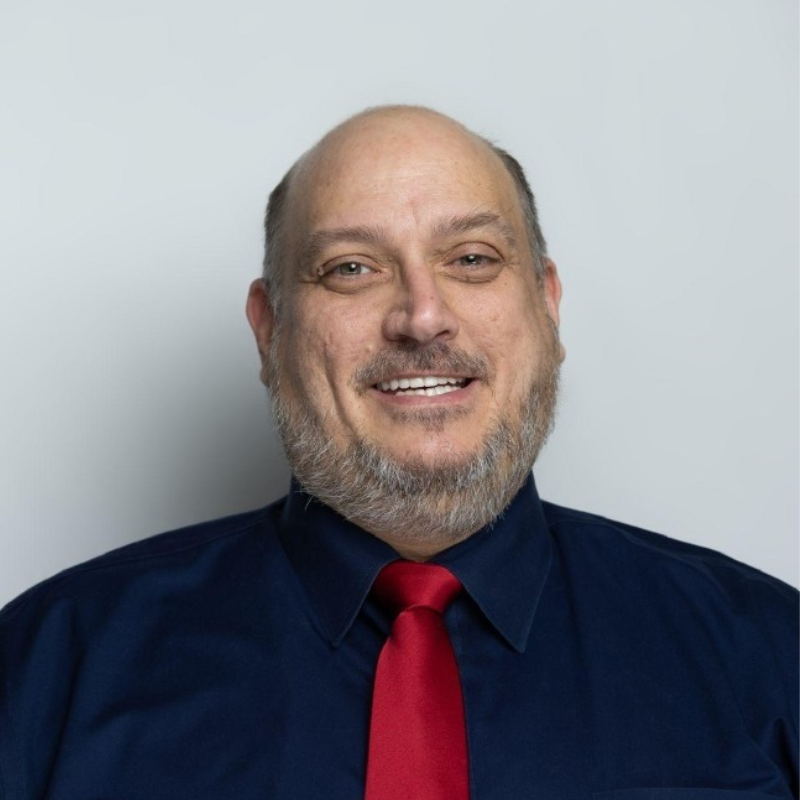
Medical Reviewer
David is the Executive Director at Lotus Recovery with over 27 years of experience in addiction and mental health treatment. He holds a Bachelor’s degree in Psychology from Edinboro University of Pennsylvania and a Master’s degree in Psychology from Capella University. David is a Certified Clinical Supervisor in both South Carolina and Pennsylvania and has served on Opioid Task Force Teams in Erie, PA and Buffalo, NY, with leadership experience across multiple levels of care in several states.
.webp)
.webp)
.jpg)