%20(1).png)
.webp)
PHP treatment involves individual therapy, group sessions, and psychiatric support each day. See what a typical PHP day at Lotus Recovery looks like.
A Partial Hospitalization Program (PHP) is one of the more structured levels of outpatient addiction treatment. For clients or family members preparing to start, knowing what a typical day actually involves makes the transition easier to plan for. PHP combines several hours of clinical programming a day with the flexibility of returning home each evening, which means the daily schedule carries real weight in whether treatment fits someone's life.
This overview walks through a typical PHP day at Lotus Recovery in Florence, South Carolina, from morning check-in through evening discharge, along with what a full week of programming covers and what happens once PHP ends.
In residential or inpatient treatment, clients live at the facility and receive care around the clock. In a standard Intensive Outpatient Program (IOP), clients typically attend a few hours per week and manage the rest of their schedule independently.
PHP occupies the middle ground: clients attend treatment for most of the day, several hours per session, five days a week, and return home each evening. This provides a high level of clinical support without requiring a full step away from family, housing, or daily responsibilities.
PHP is often the appropriate next step for clients completing residential treatment who are not yet ready for a lighter schedule. It can also serve as an entry point for clients whose situation is stable enough that round-the-clock supervision isn't required. More detail on when PHP is the right fit is available in our post on choosing a Partial Hospitalization Program in South Carolina.
Daily schedules vary somewhat by client and treatment phase, but PHP follows a structure. That structure is intentional: a predictable, purposeful daily routine supports stabilization in early recovery.
Clients arrive in the morning for a check-in: a brief assessment of mood, sleep, and any emotional concerns for the day. For clients on a medication protocol, medication management and psychiatric support also occur during this window. Psychiatric care is built into PHP because co-occurring mental health conditions and substance use disorders frequently occur together, and addressing both concurrently improves outcomes.
Clients meet one-on-one with a therapist to address triggers, personal history, and relationship dynamics contributing to substance use. Individual counseling, alongside medication when clinically indicated, is a core component of effective addiction treatment. Group work builds peer connection and coping skills; individual therapy builds self-understanding specific to each client's circumstances.
.webp)
Group sessions occupy a substantial part of each PHP day and cover relapse prevention, coping skills, emotional regulation, and life skills. At Lotus Recovery, group sessions incorporate 12-Step principles as a framework for accountability and peer connection, not as a religious requirement. Group workshops run one to two hours, and no prior 12-Step experience is required.
The National Institute on Drug Abuse identifies individual, group, and family counseling as the most common and effective treatments for substance use disorders, noting that group settings help reduce isolation by connecting clients with peers facing similar challenges.
Case managers meet with clients throughout the week to address practical needs such as housing stability, employment, and legal matters. Comprehensive planning for daily life reduces the gaps that commonly contribute to relapse.
PHP ends each afternoon, and clients return home. This allows clients to apply what they've learned in session within their actual environment, and to bring any challenges that arise back to the group the following day. This daily cycle of learning and application is one of the features that distinguishes PHP from residential care, where the treatment environment is continuous.
Across a full week, PHP builds a recovery toolkit that typically includes:
.webp)
Clients typically continue into an Intensive Outpatient Program with a more flexible schedule, maintaining group therapy, individual mentorship, and 12-Step integration. Beyond that, aftercare and support services help clients stay connected after formal treatment ends.
For clients or family members evaluating whether PHP is the right level of care, our admissions team can walk through the process directly. Client reviews on Google offer additional perspective from people who have completed treatment at Lotus Recovery, located at 940 E Ashby Rd., Florence, SC.
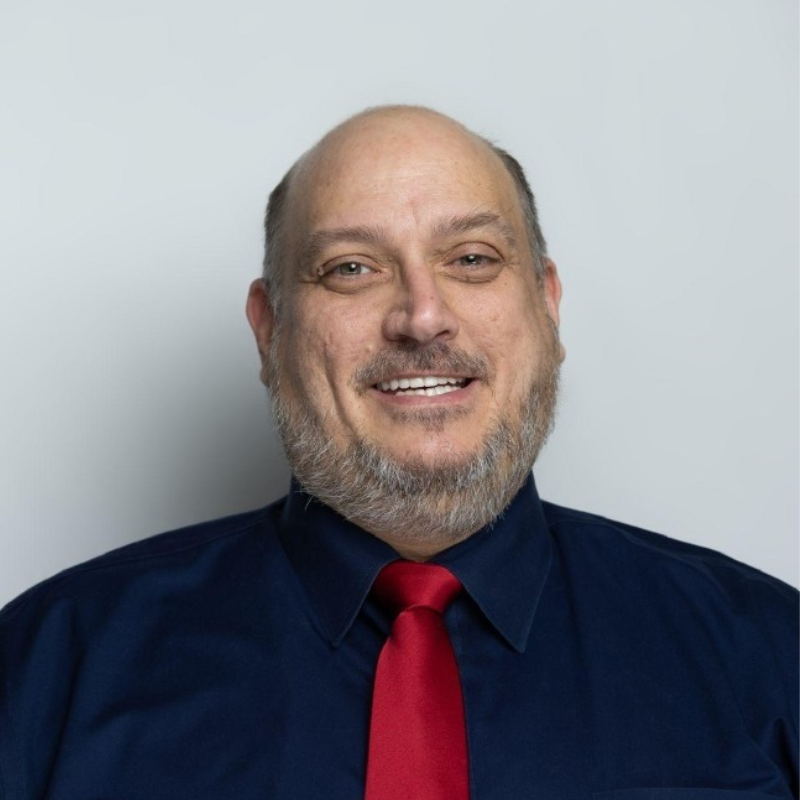
Medical Reviewer
David is the Executive Director at Lotus Recovery with over 27 years of experience in addiction and mental health treatment. He holds a Bachelor’s degree in Psychology from Edinboro University of Pennsylvania and a Master’s degree in Psychology from Capella University. David is a Certified Clinical Supervisor in both South Carolina and Pennsylvania and has served on Opioid Task Force Teams in Erie, PA and Buffalo, NY, with leadership experience across multiple levels of care in several states.
.webp)
.webp)
.jpg)