%20(1).png)

Explore how IOP supports recovery while balancing everyday life at rehabs in South Carolina. Learn who benefits most from IOP’s flexible schedules.
Not everyone struggling with addiction can commit to full-time residential treatment, and that’s okay. You may have work, family responsibilities, or simply need a level of care that allows you to stay connected to daily life. If you’re exploring rehabs in South Carolina, an Intensive Outpatient Program (IOP) could be a great fit.
But what is it, and how does it help in overcoming addiction?
In this article, you’ll learn how it works and why it’s such a valuable option for people in recovery. We’ll also break down how South Carolina addiction treatment programs use IOPs to provide flexibility, accountability, and professional care.
An Intensive Outpatient Program, or IOP, is a form of addiction treatment that gives you structured, professional support while still allowing you to live your life outside of treatment.
Instead of staying at a facility full time, you attend therapy and recovery sessions multiple days per week, then return home (or to supportive housing) afterward. This makes IOP a strong option if you need consistent care but can’t step away from work, school, or family responsibilities.
Providers recognize that balancing recovery with everyday obligations can feel overwhelming, especially when it seems like you have to choose between your health and your commitments. This is why a substance abuse intensive outpatient program helps you get treatment without leaving your daily life behind, offering the structure many people need without the rigidity of inpatient care.
Most IOPs include a combination of individual therapy, group counseling, and skill-building sessions that help you understand addiction, manage triggers, and develop healthier coping strategies.

Looking into rehabs in South Carolina? It’s important to understand how an IOP actually supports your day-to-day recovery. As stated, an intensive outpatient program in South Carolina aims to provide structured treatment while allowing you to maintain your daily routine, offering the best of both support and flexibility.
Therapy is a core part of IOP and plays a major role in long-term recovery. Individual therapy gives you one-on-one time with a licensed professional to work through personal challenges, mental health concerns, and substance use triggers. Meanwhile, group therapy provides a supportive environment where you can connect with others in recovery, share experiences, and build accountability.
IOP combines individual and group mentorship sessions to help you work through personal challenges while building meaningful connections with others in recovery. These sessions create accountability, provide encouragement, and give you a safe space to talk through obstacles without judgment.
Through targeted workshops, you’ll learn practical tools that support long-term sobriety. These sessions focus on relapse prevention, emotional regulation, and healthy coping strategies, helping you respond to stress and triggers in a more constructive way.
Addiction doesn’t only affect you; it also impacts the people closest to you. Many IOPs include family-focused sessions designed to improve communication, rebuild trust, and strengthen relationships, creating a healthier support system outside of treatment.
Throughout the program, an experienced clinical team monitors your progress and provides ongoing support. With consistent check-ins and professional oversight, you’re never left wondering if you’re on the right track.
When you’re comparing treatment options at rehabs in South Carolina, it’s also common to come across both IOP and Partial Hospitalization Programs (PHP). While both offer structured care without full residential treatment, they differ in intensity and time commitment.
A Partial Hospitalization Program in South Carolina provides a higher level of care, typically involving treatment for several hours a day, most days of the week. PHPs offer closer medical and clinical supervision and are often used as a step down from inpatient rehab or as an alternative for people who need more support than standard outpatient care but don’t require 24/7 supervision.
An IOP, on the other hand, involves fewer treatment hours per week and offers more flexibility. You attend therapy sessions and recovery programming while continuing to live at home or in supportive housing, making it easier to balance work, school, or family responsibilities. Some people benefit from a PHP if they need more support than an IOP provides, while others find that IOP offers the right balance of structure and independence.
Deciding which option is right for you depends on several factors, including the severity of your addiction, your mental health needs, and how much support you have outside of treatment. Speaking with a treatment professional can help you choose the level of care that best supports your recovery goals.
An IOP makes sense at a specific point in recovery, especially when you need support but don’t require full-time care. If you’re wondering whether this level of treatment fits your situation, a few common signs can help clarify your next move.
Many people seeking South Carolina addiction treatment find that an IOP is the perfect next step in their recovery journey, especially when they want support that fits into their real-world responsibilities.

Choosing the right level of care shapes how sustainable your recovery can be. An intensive outpatient program in South Carolina gives you consistent clinical support, therapy, and accountability while allowing you to stay engaged with work, family, and everyday responsibilities. For many people, that balance helps treatment feel realistic — and doable — over the long term.
At Lotus Recovery, we offer structured, flexible care built around real life, not isolation from it. As one of the trusted rehabs in South Carolina, our team provides evidence-based programs designed to support lasting progress, not just short-term stability. Contact us today to learn more!
Medical Reviewer
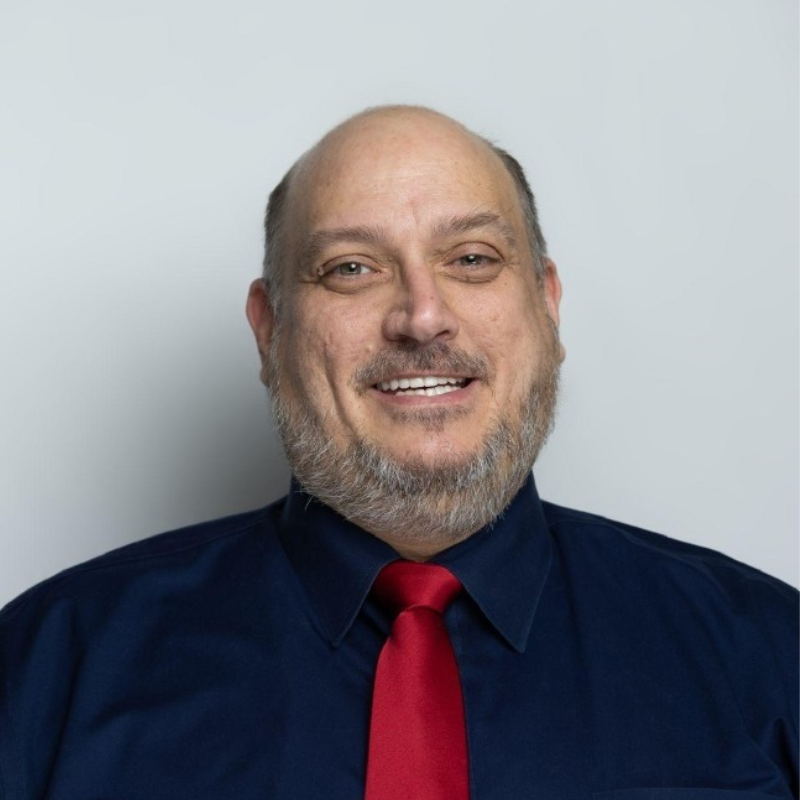
David is the Executive Director at Lotus Recovery with over 27 years of experience in addiction and mental health treatment. He holds a Bachelor’s degree in Psychology from Edinboro University of Pennsylvania and a Master’s degree in Psychology from Capella University. David is a Certified Clinical Supervisor in both South Carolina and Pennsylvania and has served on Opioid Task Force Teams in Erie, PA and Buffalo, NY, with leadership experience across multiple levels of care in several states.
.webp)
.webp)
.jpg)