%20(1).png)

Discover how a South Carolina drug addiction treatment clinic differs from standard care. Learn what clinical services and care levels matter most.
Choosing a South Carolina drug addiction treatment clinic is a decision that requires careful evaluation. Although many facilities advertise similar services, the level and quality of care can differ considerably.
For instance, some centers focus mainly on short-term stabilization and sobriety support, while professional programs provide deeper clinical assessment and individualized treatment that aims to address the medical, psychological, and behavioral factors connected to substance use. Understanding these differences can help individuals and families identify care that supports lasting recovery rather than temporary progress.
This article examines the clinical standards, therapeutic approaches, and levels of care that distinguish professional addiction treatment in South Carolina from a standard facility.
Substance use disorder is a major public health crisis affecting thousands of families across our communities. According to a comprehensive health analysis by Trust for America's Health, South Carolina's rate of drug-related deaths sits at a sobering 41.3 per 100,000 residents, which tracks higher than the national average for many other states. This reality underscores the urgent need for a more comprehensive approach to South Carolina addiction treatment.
A standard facility often operates with a bare-minimum mindset, providing basic monitoring and generic support groups. In contrast, a professional addiction treatment center in South Carolina approaches addiction as a complex, chronic brain disease. These specialized centers integrate medical doctors, licensed psychiatric clinicians, and certified addiction specialists to treat the physical, mental, and environmental aspects of the illness simultaneously.
This level of comprehensive care ensures that your treatment is tailored specifically to your unique biological makeup and personal history.

When evaluating options for a professional South Carolina drug addiction treatment clinic, it is important to look beyond physical amenities and focus on clinical credentials.
High-quality programs are fully accredited by independent healthcare organizations such as the Joint Commission or the Commission on Accreditation of Rehabilitation Facilities (CARF). These credentials signal that a facility strictly adheres to the highest safety standards, clinical protocols, and patient-centered ethics in the behavioral health industry.
Furthermore, professional programs distinguish themselves through the use of evidence-based therapeutic modalities. Instead of relying solely on generic advice or unproven methods, a premier substance use treatment clinic SC builds your therapeutic schedule around scientifically backed treatments, including:
One of the clearest signs of a professional South Carolina drug addiction treatment clinic program is its ability to provide multiple levels of care that align with a client’s changing clinical and personal needs.
Recovery isn’t a single-stage process. Many individuals benefit from a well-planned transition that maintains therapeutic support while gradually increasing independence and daily responsibility. A comprehensive program may include:
For individuals seeking a high level of professional support without residential treatment, a PHP in South Carolina can provide intensive clinical care while allowing clients to return home or to sober living in the evening. PHP typically includes several hours of treatment each day, including psychiatric services, individual therapy, group counseling, and recovery-focused skill development.
IOP is meant for individuals who still need consistent clinical support but have greater stability and flexibility in their recovery. Treatment schedules are generally less intensive than PHP, allowing clients to balance therapy with work, school, or family responsibilities while continuing counseling and relapse prevention work.
Recovery continues long after formal treatment ends. Aftercare services help clients maintain progress through continued counseling, alumni programs, peer support, relapse prevention planning, and ongoing accountability. Strong aftercare programming reinforces long-term recovery and provides support during the transition back into everyday life.
The ability to move between these levels of care within a coordinated treatment framework can provide continuity, reduce treatment disruption, and support more sustainable recovery outcomes.
Seeking help from a localized center provides an incredible advantage when building a long-term support network. If you are exploring options like a dedicated drug rehab Florence SC, choosing a local program ensures that your clinical team understands the specific community dynamics, local environmental triggers, and regional resources available to you.
Being close to home also allows for the safe integration of family therapy.
Addiction is a family disease, and true long-term recovery often requires healing the relational dynamics and communication patterns within your immediate circle. A professional local facility will coordinate family education workshops and mediated counseling sessions, helping your loved ones understand how to build a healthy, supportive environment that fosters your long-term sobriety.

Ultimately, the goal of stepping into an advanced South Carolina drug addiction treatment clinic isn't just about stopping the physical use of a drug; it is about rebuilding a meaningful, self-directed life.
A premium program helps you rediscover your passions, repair your self-esteem, and establish a rock-solid infrastructure for your personal growth. By combining clinical excellence with deep personal empathy, these centers empower you to break free from the cycle of dependency for good.
If you are ready to move past standard, superficial care and experience a program built around your complete psychological and physical well-being, the support you deserve is closer than you think. Reach out to our team at Lotus Recovery today!
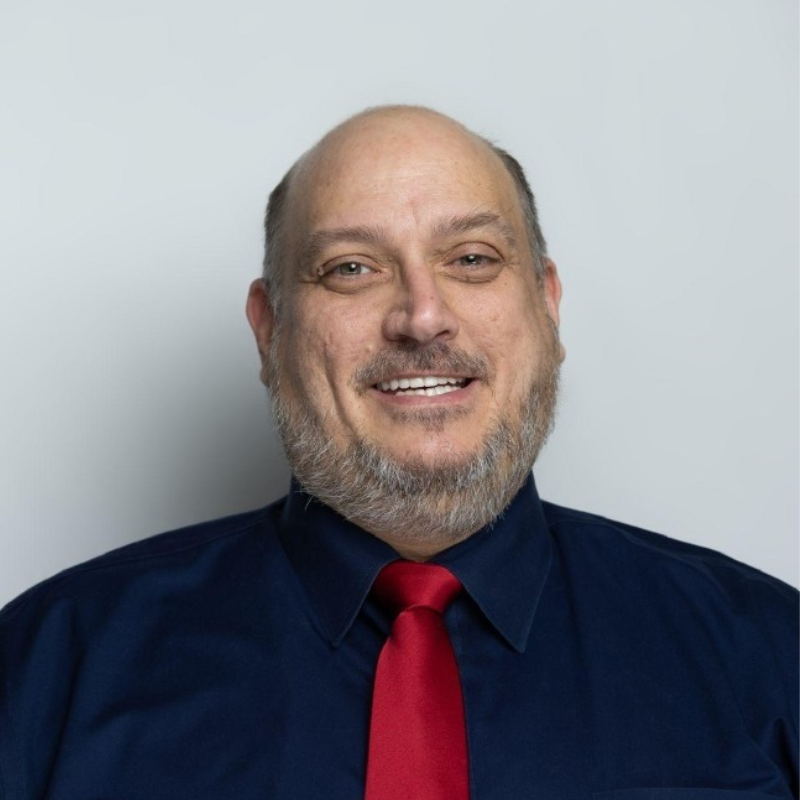
Medical Reviewer
David is the Executive Director at Lotus Recovery with over 27 years of experience in addiction and mental health treatment. He holds a Bachelor’s degree in Psychology from Edinboro University of Pennsylvania and a Master’s degree in Psychology from Capella University. David is a Certified Clinical Supervisor in both South Carolina and Pennsylvania and has served on Opioid Task Force Teams in Erie, PA and Buffalo, NY, with leadership experience across multiple levels of care in several states.
.webp)