%20(1).png)

What does an IOP counselor actually do? Explore their role in treatment, qualifications, the counselor-client relationship, and how they support recovery.
A lot of people start IOP wondering who, exactly, is going to be in the room with them. They've heard the word "counselor" their whole lives, but that word covers a lot of ground. Is this person going to lecture you? Read from a workbook? Tell you things you already know?
The answer, in a real program, is none of those things. An IOP counselor is the person who shows up consistently, knows your name and your story, and helps you figure out what's actually getting in the way of staying sober. That relationship is the work, not just the backdrop to it.
The clinical structure of an intensive outpatient program involves group sessions, skill-building, relapse prevention, and case coordination. Your IOP counselor sits at the center of all of it. They assess where you are when you arrive, track how you're progressing, and adjust the plan when life doesn't cooperate.
In a typical week, your counselor facilitates or co-facilitates group sessions, holds individual check-ins, and documents your progress for clinical and insurance purposes. They also coordinate with other parts of the care team, like your prescriber or case manager, so your treatment actually holds together. It's less like a single conversation and more like steady scaffolding built around your week.
What makes that scaffolding useful is specificity. A good IOP counselor isn't applying a template to your situation. They're listening for the patterns that are particular to you: when cravings show up, what thoughts tend to precede them, what your support system actually looks like at home.
SAMHSA's Treatment Improvement Protocol on substance use disorders identifies the therapeutic alliance, the quality of the relationship between a counselor and a client, as one of the most consistent predictors of positive treatment outcomes. That's not a soft or sentimental idea. It's one of the most replicated findings in addiction treatment research.
What this means practically: the credential on the wall matters less than whether you actually feel like the person across from you gets it. You need to believe they're not flinching at what you're telling them and that they're not going to give up on you if you have a hard week. That trust takes time to build, and a good IOP counselor understands that.
At Lotus Recovery, the mentorship model is built around this idea. Clinical care and personal connection aren't treated as separate tracks. You can read more about how that plays out in why mentorship and clinical care work better together.

The licensing and credentialing landscape varies by state, but in South Carolina, IOP counselors typically hold licensure in addiction counseling, professional counseling, or a related mental health field. Many hold designations like CADC (Certified Alcohol and Drug Counselor) or LCAS (Licensed Clinical Addiction Specialist). Supervisors overseeing clinical programs may hold a Certified Clinical Supervisor credential on top of their base licensure.
NIDA's principles of effective treatment emphasize that qualified, trained staff are essential to producing reliable treatment outcomes. Credentials signal that a counselor has met a defined standard of training and supervision, not just that they've logged hours.
At Lotus Recovery, David Brooks serves as Executive Director and brings more than 27 years of experience in addiction and mental health treatment. He holds a Master's degree in Psychology from Capella University, is a Certified Clinical Supervisor in both South Carolina and Pennsylvania, and has served on Opioid Task Force Teams in Erie and Buffalo. That depth of experience shapes how the clinical program is built and supervised, which ultimately shapes what happens in the room with your counselor. If you want to see the full team, visit the Lotus Recovery team page.
Recovery isn't linear, and your counselor knows that. Some weeks you walk in having done the work, and some weeks you walk in having barely kept it together. Both of those are real, and a good IOP counselor can hold space for both without treating the hard weeks as evidence that you're failing.
Early in IOP, a lot of the counselor's role is assessment and orientation. They're learning what brought you here, what you've tried before, and what your daily life actually looks like. That information shapes everything from how group time is structured to what coping strategies are worth focusing on.
As treatment progresses, the focus shifts toward accountability and preparation. Your counselor helps you identify the specific situations, relationships, and thought patterns that put your sobriety at risk. They also help you build a concrete plan for what comes next, whether that's aftercare and continued support or a transition to a less intensive level of care. The goal isn't to keep you in treatment forever. It's to help you leave with something real.

If you're thinking about starting IOP in South Carolina, or you're already in treatment and wondering whether you're getting the kind of support described here, reach out to Lotus Recovery in Florence. You can check out our reviews on Google to hear from people who've been through our program, or visit our admissions page to ask questions without any pressure. We're here, and we're not going anywhere.
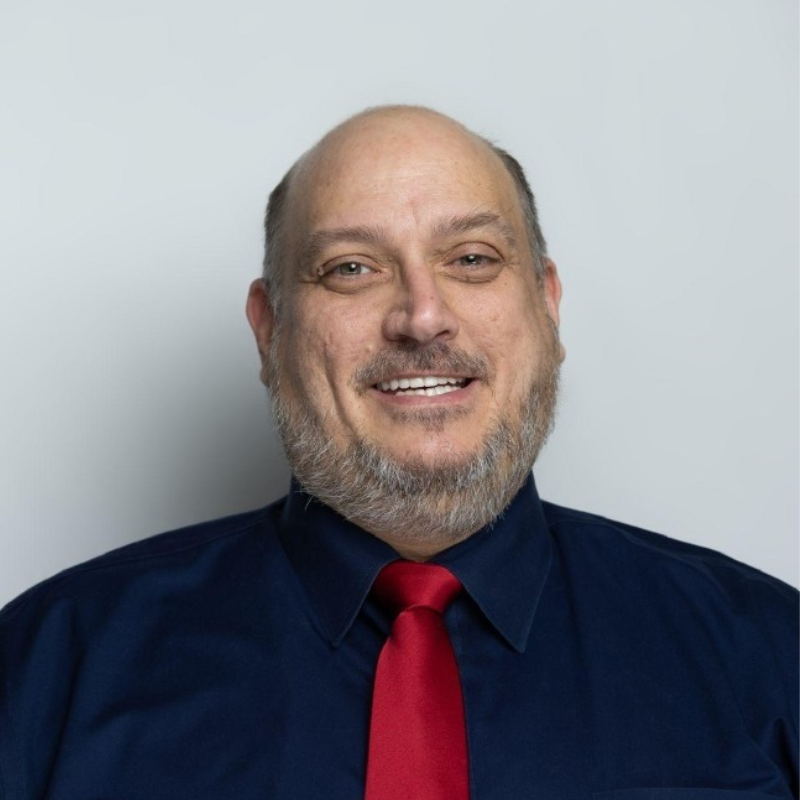
Medical Reviewer
David is the Executive Director at Lotus Recovery with over 27 years of experience in addiction and mental health treatment. He holds a Bachelor’s degree in Psychology from Edinboro University of Pennsylvania and a Master’s degree in Psychology from Capella University. David is a Certified Clinical Supervisor in both South Carolina and Pennsylvania and has served on Opioid Task Force Teams in Erie, PA and Buffalo, NY, with leadership experience across multiple levels of care in several states.
.webp)
.webp)
.jpg)