%20(1).png)

Fentanyl recovery requires a specific approach. Learn how MAT, structured outpatient care, and time help rewire the brain during early recovery.
Fentanyl is not like other opioids, and outpatient recovery from fentanyl is not like outpatient recovery from other substances. If you've already decided that outpatient treatment is the right path, that's a real and meaningful step. But you deserve an honest picture of what the first 30 to 90 days actually look like, not the version that sounds easy on a brochure.
This post is for you if you're about to start outpatient treatment for fentanyl and want to know what's coming. It's also for the family members sitting up at midnight wondering if outpatient care is actually enough. The short answer is that it can be, when it's structured correctly, and when you know what to expect.
Fentanyl is roughly 100 times more potent than morphine by weight. According to NIDA's research on fentanyl, the drug binds to opioid receptors with exceptional speed and intensity, which is a large part of why dependence develops quickly and withdrawal hits hard.
What that means for outpatient recovery is this: your brain has been reshaped by a substance that acted fast, flooded your reward system, and left a significant gap when it's gone. The cravings you feel in the first weeks of treatment are not a sign that treatment isn't working. They are a neurological event. Your brain learned to expect fentanyl, and it is still looking for it. That process takes time to rewire.
Understanding this matters because too many people walk into their first week of fentanyl outpatient treatment, feel a wave of craving on day four or day ten, and conclude that they're failing. You are not failing. You are in withdrawal, and your brain is in the middle of a process that clinical care is designed to support.
For most people recovering from fentanyl dependence, medication-assisted treatment is part of the picture. SAMHSA's treatment guidelines recognize medications like buprenorphine and methadone as first-line interventions for opioid use disorder, and fentanyl is no exception.
In an outpatient setting, MAT serves a specific purpose. It reduces the physical intensity of withdrawal, stabilizes your mood and sleep, and lowers the neurological drive toward relapse during the period when your brain is still recalibrating. It is not a substitute for the clinical work. It gives you enough of a foothold to actually do that work.
If you're starting fentanyl outpatient treatment and MAT has been recommended, take the recommendation seriously. Choosing not to pursue it because of stigma or because you feel you should "do it on your own" can put you at significantly higher risk of relapse in those first critical weeks. The research is clear on this, and so are the clinicians who work with fentanyl-specific caseloads every day.

The first week is typically the hardest, especially if you've just completed a medical detox and are stepping down into outpatient care. Your sleep is likely disrupted. Anxiety often spikes. Many people describe a flatness, an emotional gray where nothing feels rewarding. That is your brain's dopamine system adjusting. It is real, and it passes.
Research on opioid withdrawal shows that the acute phase typically resolves within a week, but post-acute withdrawal, which includes mood changes, sleep disruption, and persistent cravings, can last weeks to months. This is sometimes called PAWS, and it is the window where structured outpatient programming matters most.
Weeks two through four are where the clinical work takes shape. In a structured Intensive Outpatient Program, you're showing up multiple days per week for group therapy, individual sessions, and skill-building around relapse prevention. The structure itself is therapeutic. When you know what Tuesday looks like, you are less at the mercy of what Tuesday feels like.
By the end of the first month, most people start to notice moments of clarity. Not a steady state of wellness, but moments. They get longer. That's what early recovery actually feels like, and it is worth staying for.
The second and third months of fentanyl outpatient treatment are where a lot of people quietly struggle, because they start to feel better and assume they're done. They aren't. This is actually the highest-risk window for relapse, and good outpatient programs are built to account for it.
By this point, the physical withdrawal is largely behind you. What surfaces now are the patterns and situations that were always underneath the substance use. Relationship stress. Work pressure. The emotional states you used fentanyl to manage. This is where individual therapy earns its place, and where peer support, mentorship, and 12-Step integration start doing work that medication alone cannot do.
For more on what week-by-week outpatient recovery looks like in practice, the outpatient rehab week-by-week breakdown on our blog goes deeper on the structure and rhythm of treatment over time. It's worth reading alongside this one.
Accountability during days 30 to 90 is not about surveillance. It is about showing up even when you feel like you don't need to. Because the data is consistent: people who complete the full continuum of care have significantly better outcomes than those who step out early when things feel manageable.

At Lotus Recovery in Florence, South Carolina, our Intensive Outpatient Program is built around the reality that fentanyl recovery takes time, and that the structure of treatment has to match the timeline of the brain's healing, not just the calendar.
IOP at Lotus includes group therapy with 12-Step principles woven in, individual mentorship, life skills development, and aftercare planning that starts before you finish the program. Clients enrolled in IOP have access to associated housing with meals and essentials covered, plus an on-site sponsor for step work. Family support sessions are available as well, because fentanyl doesn't only affect the person using it.
If you're wondering whether you need a higher level of care to start, our Partial Hospitalization Program offers a more intensive structure for people stepping down from detox or residential care. And once you complete active treatment, our aftercare and support services are there to help you hold what you've built.
Our team includes David Brooks, Executive Director and Certified Clinical Supervisor with over 27 years of experience in addiction and mental health. He has served on Opioid Task Force Teams in Erie and Buffalo, and has worked across multiple levels of care in several states. He knows what fentanyl recovery actually demands. So do the rest of our clinicians and mentors, many of whom have walked a similar road.
If you're ready to take the next step or just want to ask honest questions before you commit, reach out to us. You can also read what our clients have to say on Google to get a real picture of what recovery looks like at Lotus.
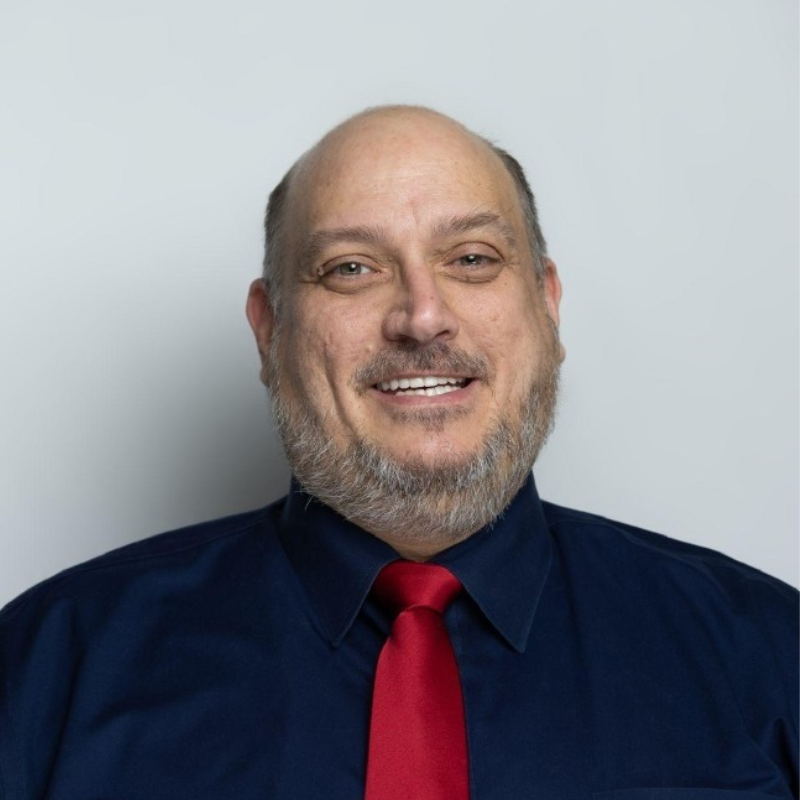
Medical Reviewer
David is the Executive Director at Lotus Recovery with over 27 years of experience in addiction and mental health treatment. He holds a Bachelor’s degree in Psychology from Edinboro University of Pennsylvania and a Master’s degree in Psychology from Capella University. David is a Certified Clinical Supervisor in both South Carolina and Pennsylvania and has served on Opioid Task Force Teams in Erie, PA and Buffalo, NY, with leadership experience across multiple levels of care in several states.

.webp)
.webp)