
Aftercare vs. Continued Outpatient Treatment: What's the Difference?
Know the difference between aftercare and continued outpatient treatment after PHP or IOP, and how Lotus Recovery supports long-term recovery in South Carolina.
Finishing a PHP or IOP often brings up an important question: What happens next?
During treatment, you've had a regular schedule, consistent clinical support, and people who understand what you're working through. Moving away from that level of structure can feel uncertain, but completing a program doesn't mean support has to end.
This is where aftercare and continued outpatient treatment come in. Although the terms are sometimes used interchangeably, they serve different purposes. Continued outpatient treatment keeps you connected to clinical care, while aftercare provides ongoing community, peer support, and accountability. For many people, both can be valuable parts of long-term recovery.
What Continued Outpatient Treatment Actually Means
Continued outpatient treatment refers to formal clinical care that continues as someone moves from a more intensive program into greater independence.
A common example is stepping down from a Partial Hospitalization Program to an Intensive Outpatient Program. After IOP, some people continue with standard outpatient therapy, meeting with a counselor, psychiatrist, or other provider on a regular schedule.
This step-down approach allows the intensity of treatment to change as a person's needs change. Recovery is an ongoing process that can involve multiple forms of support. Rather than moving directly from intensive treatment to complete independence, continued outpatient treatment provides a more gradual transition.
Because continued outpatient treatment is clinical care, it generally involves licensed providers, individualized treatment plans, documented goals, and scheduled sessions. Depending on the person's needs, treatment may include individual or group therapy, medication management, psychiatric care, and ongoing assessment of progress.
The purpose is to maintain clinical support while giving someone more opportunities to apply what they've learned to everyday life.
What Aftercare Actually Means
Aftercare refers to the ongoing support, connection, and accountability that can continue as formal treatment becomes less intensive or ends.
Aftercare can include alumni programs, peer support, mentorship, group check-ins, workshops, recovery meetings, and other opportunities to stay connected to a recovery community.
Research on continuing care for substance use disorders has found that longer engagement with recovery-oriented care and support can contribute to better long-term outcomes. Recovery continues well beyond the completion of a treatment program, and maintaining meaningful connections can be an important part of that process.
At Lotus Recovery, aftercare and support are part of our approach because the transition back into everyday life can bring new challenges. Work, family responsibilities, relationships, stress, and familiar environments can all affect recovery. Aftercare provides a way to stay connected to people and resources that can help during those transitions.
Why People Confuse Aftercare and Continued Outpatient Treatment
The terms are easy to confuse because both describe support that may occur after a more intensive phase of treatment. In practice, however, there are important differences.
Continued outpatient treatment is clinical care. It involves licensed providers, treatment plans, therapeutic goals, and scheduled services. Because it is a recognized form of healthcare, insurance may cover continued outpatient treatment when it is medically necessary and included under a person's benefits.
Aftercare is ongoing recovery support. Alumni programs, peer mentorship, workshops, and community activities may not be billed or structured in the same way as clinical treatment. Some treatment centers include these services as part of their longer-term commitment to clients.
The two can also happen at the same time. Someone who has completed IOP might continue seeing a therapist while attending an alumni group or meeting regularly with a mentor. These services aren't duplicating one another. They address different parts of recovery.
Clinical treatment provides professional guidance and helps address specific therapeutic goals. Aftercare helps maintain connection, accountability, and a sense of community as someone becomes more independent.
How the Step-Down Process Works
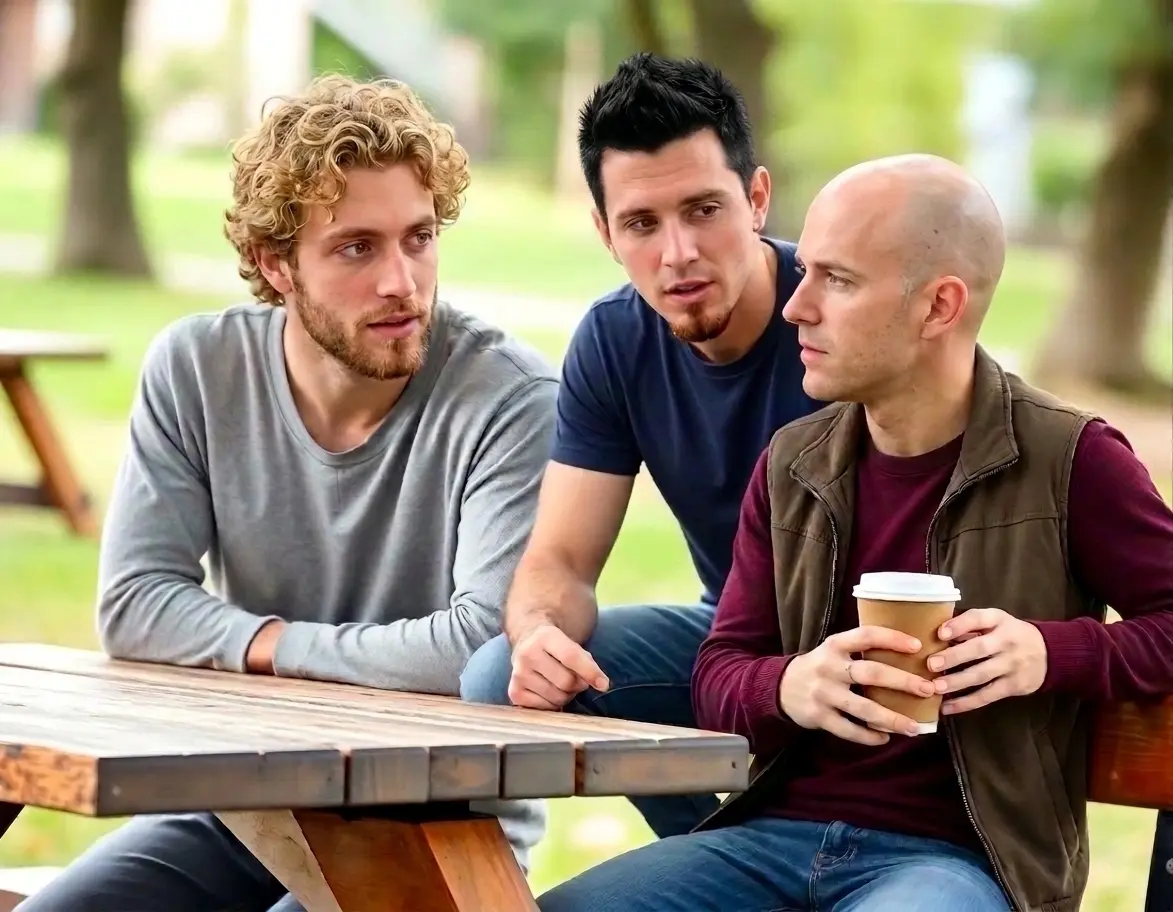
The transition from intensive addiction treatment to greater independence is usually gradual.
Someone in PHP may spend several hours each day participating in structured treatment. PHP at Lotus Recovery includes individual therapy, group sessions, medication management, psychiatric support, and family involvement. This level of structure can be particularly valuable during the earlier stages of recovery.
As someone becomes more stable, they may transition into IOP. The clinical intensity decreases, providing more time for work, school, family, and other responsibilities while treatment remains a consistent part of the week.
Lotus Recovery's Intensive Outpatient Program includes group therapy, individual mentorship, 12-Step integration, and relapse prevention skills. The more flexible structure gives clients opportunities to apply recovery skills in daily life while maintaining regular support.
After IOP, some people continue with standard outpatient therapy on a weekly, biweekly, or otherwise individualized schedule. At the same time, aftercare services can continue providing peer connection and community support beyond formal treatment.
There isn't one timeline that works for everyone. The appropriate pace depends on a person's progress, needs, living environment, mental health, support system, and other individual factors.
What Lotus Offers After Treatment Ends
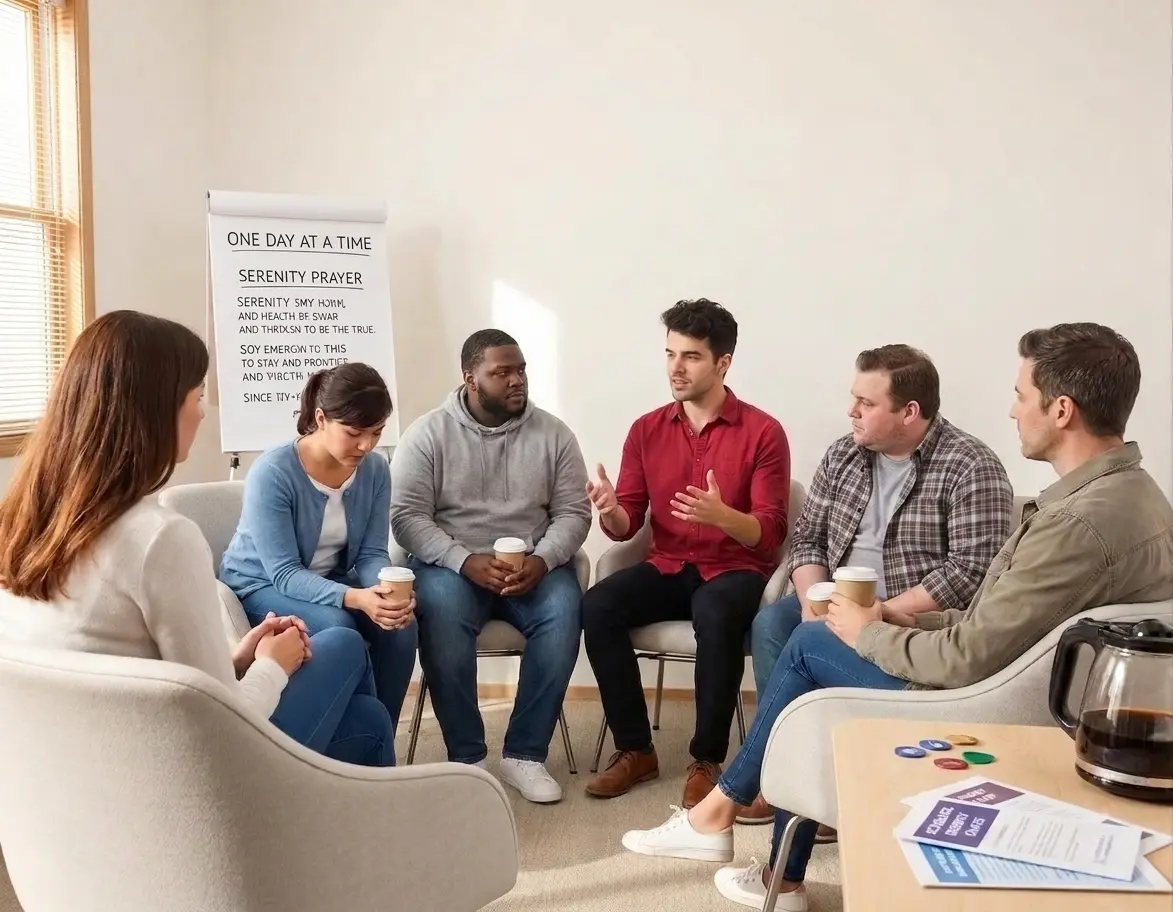
Completing a treatment program is an important milestone, but it doesn't have to mark the end of your connection to the recovery community you've built.
At Lotus Recovery, aftercare and alumni support provide opportunities for former clients to remain involved after completing PHP or IOP. Workshops are available to alumni, and some may also include family members. The goal is to help people maintain the relationships, accountability, and recovery resources they developed during treatment.
Our mentorship programs can also extend into the aftercare period. One-on-one mentorship, peer support, and community connection provide additional ways to stay engaged as formal treatment becomes less intensive.
If you're trying to determine what your next step should look like, our admissions and programs information provides an overview of the levels of care available at Lotus Recovery. You can also read our stories of sobriety to learn about the experiences of people who have gone through recovery themselves.
Planning for Continued Recovery in South Carolina
Recovery in South Carolina doesn't have to end when a structured treatment program does. Continued outpatient treatment can provide ongoing clinical care, while aftercare can help maintain the community, accountability, and support that remain important as life becomes more independent.
The right combination will look different for each person. What matters is having a plan for what comes after PHP or IOP rather than waiting until treatment ends to decide.
If you or someone you love is considering continued care or aftercare, read what our clients are saying about Lotus Recovery on Google and reach out to our team in Florence to discuss your options.
David Brooks
Medical Reviewer
David is the Executive Director at Lotus Recovery with over 27 years of experience in addiction and mental health treatment. He holds a Bachelor’s degree in Psychology from Edinboro University of Pennsylvania and a Master’s degree in Psychology from Capella University. David is a Certified Clinical Supervisor in both South Carolina and Pennsylvania and has served on Opioid Task Force Teams in Erie, PA and Buffalo, NY, with leadership experience across multiple levels of care in several states.