%20(1).png)
.webp)
Explore what IOP teaches beyond staying sober, from managing emotions and triggers to rebuilding trust, accountability, and everyday life in recovery.
Most people searching for information about IOP want to know the basics: how many hours, can you work, does insurance cover it. Those are fair questions. But they're not the questions that will get you through week three when things get hard.
What IOP actually teaches you about recovery goes much deeper than a schedule. It changes how you handle a hard phone call, how you sit with anger without reaching for something to quiet it, how you start to recognize who you are when the substance isn't filling in the blank. That's what this is about.
For most people struggling with addiction, substances were a way of managing emotions that felt too heavy to carry. Anxiety, grief, shame, boredom, loneliness — whatever it was, using made those feelings quieter, at least for a while.
IOP teaches you what to do with those feelings when there's nothing to reach for. That happens in group therapy, in individual sessions, and in the kind of honest conversations that happen between people who are genuinely in it together. You learn to name what you're feeling before it builds into something you can't control.
Studies show that co-occurring mental health conditions are present in more than half of people with substance use disorders. That means a lot of people in IOP are learning to manage anxiety, depression, or trauma at the same time they're working on sobriety. It's not easy, and it's not supposed to be. But learning to sit with discomfort, without using it as a reason to use, is one of the most important things IOP actually teaches you.
.webp)
Accountability in recovery means showing up, being honest about what you're going through, and learning what you can do differently moving forward.
At Lotus Recovery’s Intensive Outpatient Program, accountability is part of the treatment experience. Group sessions provide regular opportunities to connect with others, talk through challenges, and stay engaged in recovery. Having consistent support and people who notice when you’re struggling can make it easier to put what you learn in treatment into practice.
Triggers are people, places, situations, thoughts, or emotions that can make it harder to stay grounded in recovery. Knowing what a trigger is and recognizing your own patterns, however, are two different things. IOP gives you time and support to better understand what affects you and how to respond.
Group sessions can help with that process. Hearing other people talk about their experiences may help you recognize patterns in your own life, from difficult relationships and stressful environments to the thoughts or emotions that tend to come before a craving.
Lotus also incorporates 12-Step principles into treatment, with no prior experience required. The focus is on self-reflection, accountability, and continued growth. You can learn more about why 12-Step remains a core pillar of addiction treatment in South Carolina.
.webp)
Addiction puts distance between you and the people you love. Trust gets broken. Communication breaks down. Relationships that used to feel solid start to feel like they're being held together with hope and not much else.
What IOP teaches you about recovery in this area is patience and honesty — two things that, when practiced consistently, are the foundation of rebuilding. Family support sessions, like those offered at Lotus, exist precisely for this reason: to open the conversation in a space where someone skilled is in the room to help guide it. Families learn about addiction as a condition, not a character flaw. People in recovery learn to communicate what they need without shutting down or lashing out.
If you're wondering what that process looks like, reading what people who've been through it say is one of the most grounding things you can do. Real people, real accounts, no performance.
This part of recovery takes time. Substance use can gradually shape your routines, relationships, priorities, and even how you see yourself. When you stop using, rebuilding those parts of life can become an important part of moving forward.
IOP gives you a structured environment to begin that process while applying what you learn to everyday life. You have space to identify what matters to you, develop healthier routines, strengthen relationships, and build a life that supports recovery rather than revolves around substance use.
Mentorship can play an important role in that process. At Lotus Recovery, one-on-one mentorship is integrated into the program to provide individualized guidance and accountability. Our mentorship programs in South Carolina give clients another source of consistent support as they work toward greater independence.
If you're considering IOP in South Carolina and aren't sure whether it's the right level of care, Lotus Recovery can help you understand your options. See what our clients say on Google, or visit our admissions page to speak with our team about the next step.
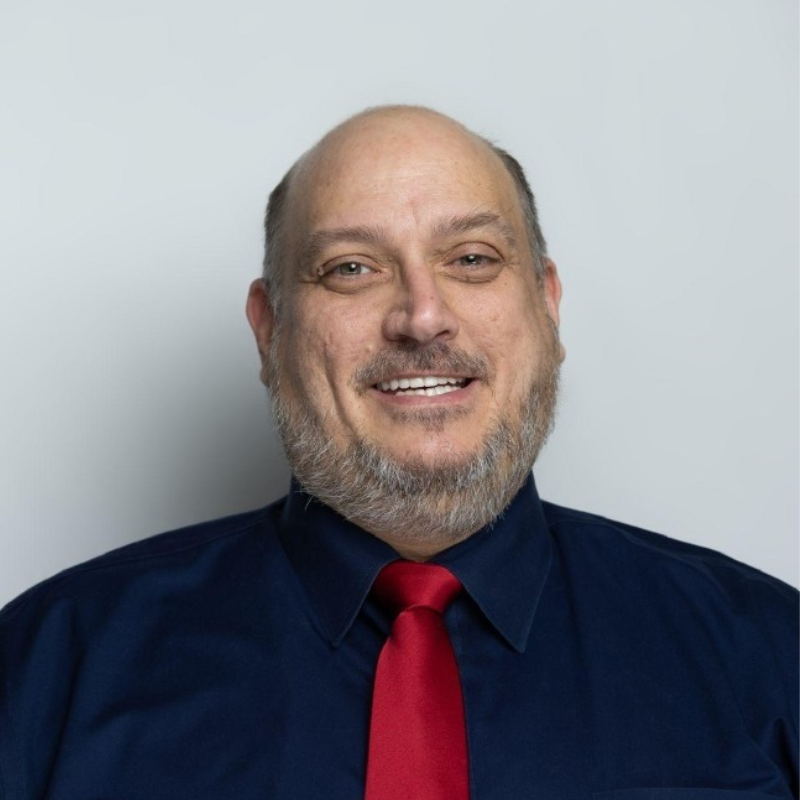
Medical Reviewer
David is the Executive Director at Lotus Recovery with over 27 years of experience in addiction and mental health treatment. He holds a Bachelor’s degree in Psychology from Edinboro University of Pennsylvania and a Master’s degree in Psychology from Capella University. David is a Certified Clinical Supervisor in both South Carolina and Pennsylvania and has served on Opioid Task Force Teams in Erie, PA and Buffalo, NY, with leadership experience across multiple levels of care in several states.
.webp)
.jpg)
.webp)