%20(1).png)

Explore South Carolina addiction treatment options for burnout and stress-related substance use. Learn when to get help and what your choices are.
Stress is an inevitable part of adult life. Work demands, financial pressure, and constant responsibilities can push you to look for quick relief. For some adults, that relief comes in the form of alcohol or other substances. Over time, what starts as a way to unwind can become harder to control, which is one reason more people are seeking South Carolina addiction treatment.
In this article, you’ll learn how burnout and chronic stress increase the risk of substance use, how to recognize when coping has turned into dependence, and what treatment options in South Carolina can help you regain stability.
Burnout develops when stress stops being temporary and starts feeling constant. You feel emotionally exhausted, less engaged, and mentally drained, even if you’re still showing up to work and meeting responsibilities.
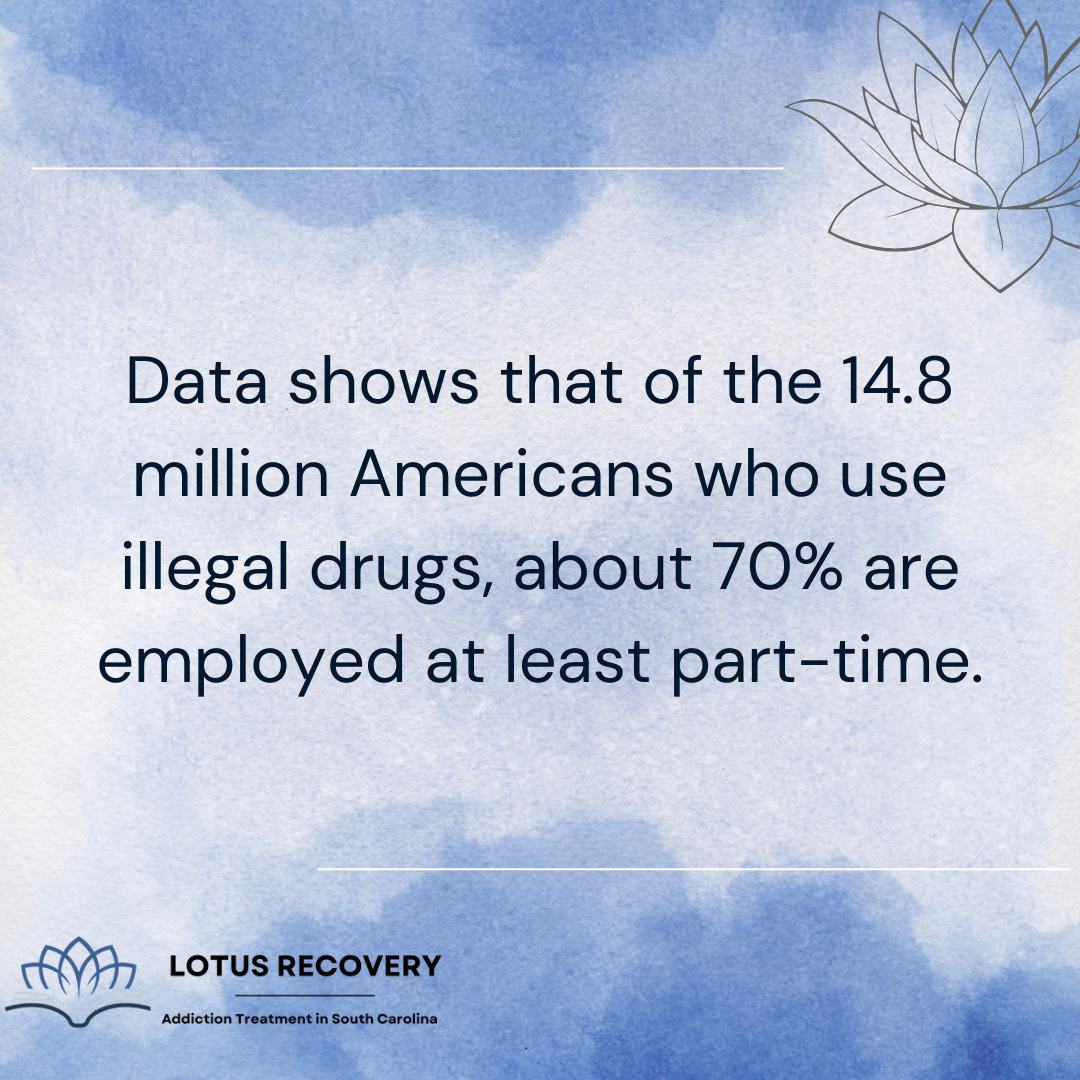
Data shows that of the 14.8 million Americans who use illegal drugs, about 70% are employed at least part-time. This statistic challenges the idea that substance use only affects people who have lost their jobs or stability. Many adults who are struggling are still working, parenting, and maintaining daily routines.
Chronic stress changes how the brain responds to relief. When you stay in a heightened stress state, substances that quickly reduce anxiety or create a sense of calm can become more appealing. Repeated use strengthens that pattern. What starts as a way to unwind can gradually become something you rely on to feel steady.
When relief turns into reliance, that’s often the point when people begin considering support from an addiction treatment center in South Carolina.

Interest in South Carolina addiction treatment has increased as more adults recognize how sustained stress affects their mental health and coping habits. For many, the decision to seek help is about preventing things from escalating.
If you’re exploring South Carolina addiction treatment, you have more flexibility than you might expect. Treatment isn’t limited to inpatient stays. Many programs are structured so you can receive consistent support while still living at home and maintaining key responsibilities.
Partial hospitalization is one of the more structured outpatient options available.
In a PHP in South Carolina, you spend several hours a day in therapy and clinical programming, typically five days a week, then return home in the evening. This level of care offers strong therapeutic support and accountability, which can be especially helpful if substance use feels difficult to manage on your own but doesn’t require 24-hour supervision.
For those who need support but cannot step away from work or family during the day, intensive outpatient care may be more appropriate. An IOP in South Carolina involves fewer weekly hours than PHP and often offers morning or evening sessions. It allows you to continue working while still engaging in structured therapy and recovery planning.
After formal treatment ends, ongoing support matters. Aftercare services help reinforce what you’ve learned and provide continued accountability as you navigate stress in everyday life.
Understanding your options is one thing. Knowing when to use them is another. If stress and substance use have started affecting how you live or function, it may be time to consider professional support from a South Carolina addiction treatment center.
If you feel like you need alcohol or another substance to relax, sleep, socialize, or get through the day, that dependence matters. When something shifts from optional to necessary, it’s a sign your coping strategy may no longer be under your control.
Everyone experiences stress, but constant overwhelm is different. If anxiety, irritability, or emotional exhaustion feel relentless and substances have become your primary relief, outside support can help you rebuild healthier ways to regulate stress.
Missed deadlines, decreased focus, increased conflict at home, or withdrawing from people you care about are warning signs. Even subtle changes in behavior can signal that substance use is starting to interfere with important parts of your life.
If you’ve promised yourself you’d cut back, stop, or “take a break” and found yourself returning to the same pattern, that cycle deserves attention. Difficulty maintaining change doesn’t mean failure; it often means you need structured support.

Burnout and chronic stress don’t always look dramatic, but they can slowly reshape your habits and coping patterns. What starts as a way to relax or take the edge off can become something you rely on just to feel steady. Recognizing that shift early gives you options, and it gives you control.
If you’re considering South Carolina addiction treatment, you don’t have to wait for things to get worse before reaching out. Lotus Recovery offers structured, supportive care to help adults like you who are balancing real-life responsibilities. Contact our team today!
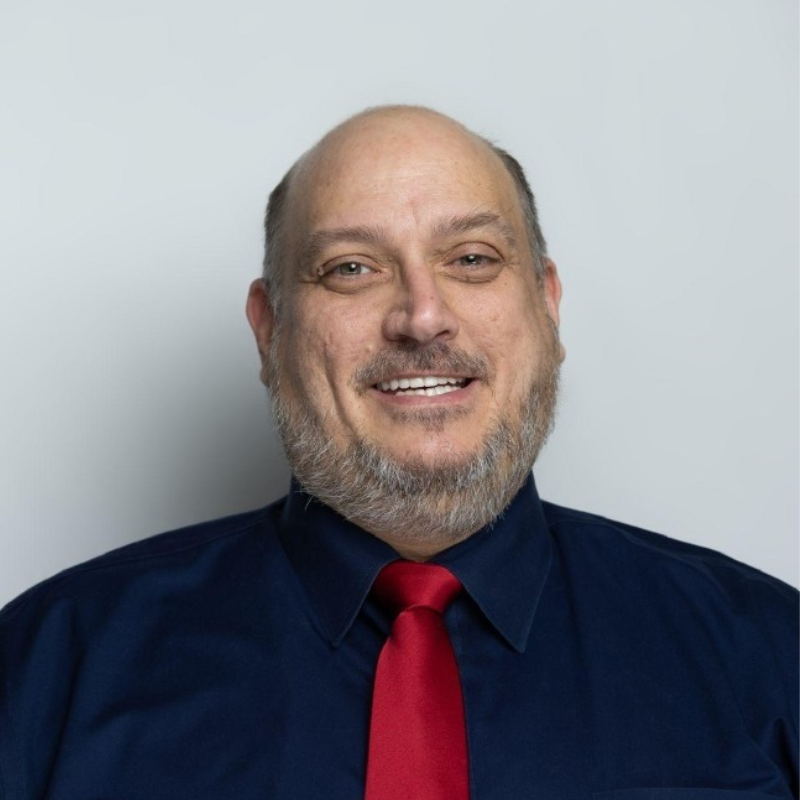
Medical Reviewer
David is the Executive Director at Lotus Recovery with over 27 years of experience in addiction and mental health treatment. He holds a Bachelor’s degree in Psychology from Edinboro University of Pennsylvania and a Master’s degree in Psychology from Capella University. David is a Certified Clinical Supervisor in both South Carolina and Pennsylvania and has served on Opioid Task Force Teams in Erie, PA and Buffalo, NY, with leadership experience across multiple levels of care in several states.
.webp)