%20(1).png)

Discover how to recognize and address a hidden substance use problem. Learn various signs, risks, and treatment options for high-functioning addiction.
Data shows that about 47.7 million Americans aged 12 and older reported using illegal drugs within the previous 30 days in 2023. And not everyone represented in that number looks like the stereotypical “struggling addict.” You might picture someone who has lost control of their life, but there are people with a substance use problem who appear successful, responsible, and put together.
This is known as high-functioning addiction. In this article, you will learn the signs of high-functioning addiction, the risks of ignoring it, and how an addiction treatment center in South Carolina can help you find support and recovery.
High-functioning addiction happens when you continue to manage work, family, and social responsibilities while quietly dealing with a substance use problem. From the outside, your life may seem stable or even successful. You show up, meet expectations, and stay productive. Behind the scenes, though, you may rely on substances to cope with stress, stay focused, or relax.
Several substances are commonly linked to high-functioning addiction, including:
Many people believe addiction only affects individuals who are visibly struggling. In reality, a it can exist even when everything appears under control. You might not even notice it at first in yourself or someone you care about.
So, if high-functioning addiction can stay hidden, how do you recognize it? Here are some signs.
You may notice someone needing alcohol, medication, or another substance to relax after work or to handle stress. Over time, it may feel less like a choice and more like something they need to get through daily responsibilities.
People dealing with addiction often try to hide how much or how often they use. This might include drinking privately, hiding bottles, or avoiding conversations about their habits.
Changes in mood can be another sign. Someone may seem calm and confident at work but become irritable, anxious, or withdrawn at home or in social situations.
Subtle physical symptoms can appear over time, such as fatigue, headaches, sleep problems, or frequent illness. Because the person still functions well, these changes are often blamed on a busy lifestyle.
In some cases, a person throws themselves into work or responsibilities to avoid dealing with deeper issues. They may constantly push for perfection or overwork themselves while struggling with substance use.
When a substance use problem stays hidden behind success, it can be easy to ignore. You may feel like everything is under control because work gets done and responsibilities are handled. Over time, though, continued substance use can gradually create serious problems.
Some of the most common risks include:
If you recognize a substance use issue in yourself or someone you care about, the good news is that help is available.
Treatment doesn’t mean giving up your life; it can fit into your daily routine while providing the support you need to recover. And a reputable addiction treatment center in South Carolina can offer a range of programs tailored to high-functioning individuals.
Here are some common approaches:

High-functioning addiction can hide in plain sight. You or someone you care about might seem successful and in control while quietly struggling with a substance use problem. Left unaddressed, it can escalate into serious health, relationship, and professional issues.
The good news is that recovery is possible. Programs like PHP in South Carolina offer structured support while allowing you to maintain your daily responsibilities. With the right guidance, therapy, and ongoing care, you can regain control and build a healthier, more balanced life.
At Lotus Recovery, we offer compassionate, professional support tailored to high-functioning individuals. Reaching out today!
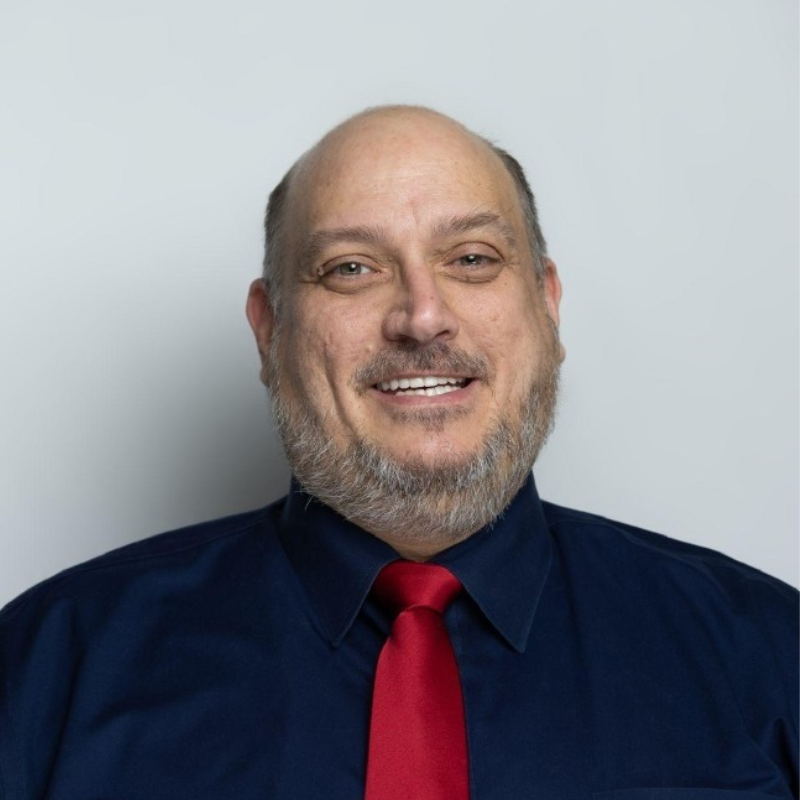
Medical Reviewer
David is the Executive Director at Lotus Recovery with over 27 years of experience in addiction and mental health treatment. He holds a Bachelor’s degree in Psychology from Edinboro University of Pennsylvania and a Master’s degree in Psychology from Capella University. David is a Certified Clinical Supervisor in both South Carolina and Pennsylvania and has served on Opioid Task Force Teams in Erie, PA and Buffalo, NY, with leadership experience across multiple levels of care in several states.
.webp)
.webp)
.jpg)