How Families Fit Into Aftercare After Rehab
Your loved one finished rehab. Now what? Learn how families fit into aftercare, from support without supervision to family sessions at Lotus Recovery.
The graduation is over. Your son, your wife, or your brother is home, and the house feels different. Quieter, maybe. You catch yourself listening for things you used to listen for, and you're not sure if that's helping or hurting.
That question, "What's my part now?", is one of the most common ones families ask when a program ends. The honest answer is that you have a real role in what comes next, and it's probably not the one you've been carrying. Aftercare support for families after rehab is less about watching and more about healing alongside the person you love.
Why Aftercare Matters Once Formal Treatment Ends
Finishing a partial hospitalization program (PHP) or intensive outpatient program (IOP) is a milestone. It isn't a finish line. The National Institute on Drug Abuse describes addiction as a chronic condition, with relapse rates similar to other chronic illnesses like high blood pressure and asthma. That means ongoing care matters, the same way it would for any long-term health condition.
Aftercare is the support that keeps going after the structured program winds down. At Lotus Recovery, that includes alumni connection, support groups, mentorship, and workshops. If you're unsure how that differs from stepping down to another level of clinical care, our post on aftercare vs. continued outpatient treatment walks through it.
Families sit right in the middle of all of this. Your loved one comes home to you, not to a group room.
What the Research Says About Family Involvement
SAMHSA's Treatment Improvement Protocol 39 is a federal guide on substance use treatment and family therapy. It lays out why bringing families into care makes sense: addiction affects the whole household, and the household affects recovery. A SAMHSA advisory based on that guide notes that family involvement in treatment has been shown to improve outcomes.
That doesn't mean you're responsible for keeping someone sober. You can't be. What it means is that the way a family communicates, handles stress, and responds to hard days can make recovery feel more possible, or a lot heavier.
Your Role Is Support, Not Supervision
A lot of parents and partners slide into a job nobody gave them: full-time monitor. Checking phones, counting money, reading every mood. It comes from love and fear, and it makes sense.
But supervision tends to wear everyone down. The person in recovery feels watched instead of trusted, and you end up exhausted. Support looks different:
- Asking instead of assuming. "How was your meeting?" lands better than "Did you actually go?"
- Respecting the recovery plan. Their counselor and mentor helped build it, so let it do its job.
- Keeping your own boundaries. Saying no to things that feel unsafe is part of support, not the opposite of it.
- Making room for real conversations. Hard talks go better when they aren't happening in the middle of a crisis.
Accountability still matters. It just works best when it lives inside the recovery structure, with sponsors, mentors, and peers, instead of resting entirely on your shoulders.
How Families Can Take Part in Aftercare at Lotus Recovery
At Lotus Recovery in Florence, families aren't an afterthought. Our aftercare and support program is built so loved ones have places to show up, too. Here's what that can look like:
- Family support sessions focus on rebuilding trust, improving communication, and helping families understand addiction and their role in healing. They're encouraged, not required.
- Workshops on the science of addiction are open to family members, so you can learn what's actually happening in the brain and why recovery takes time.
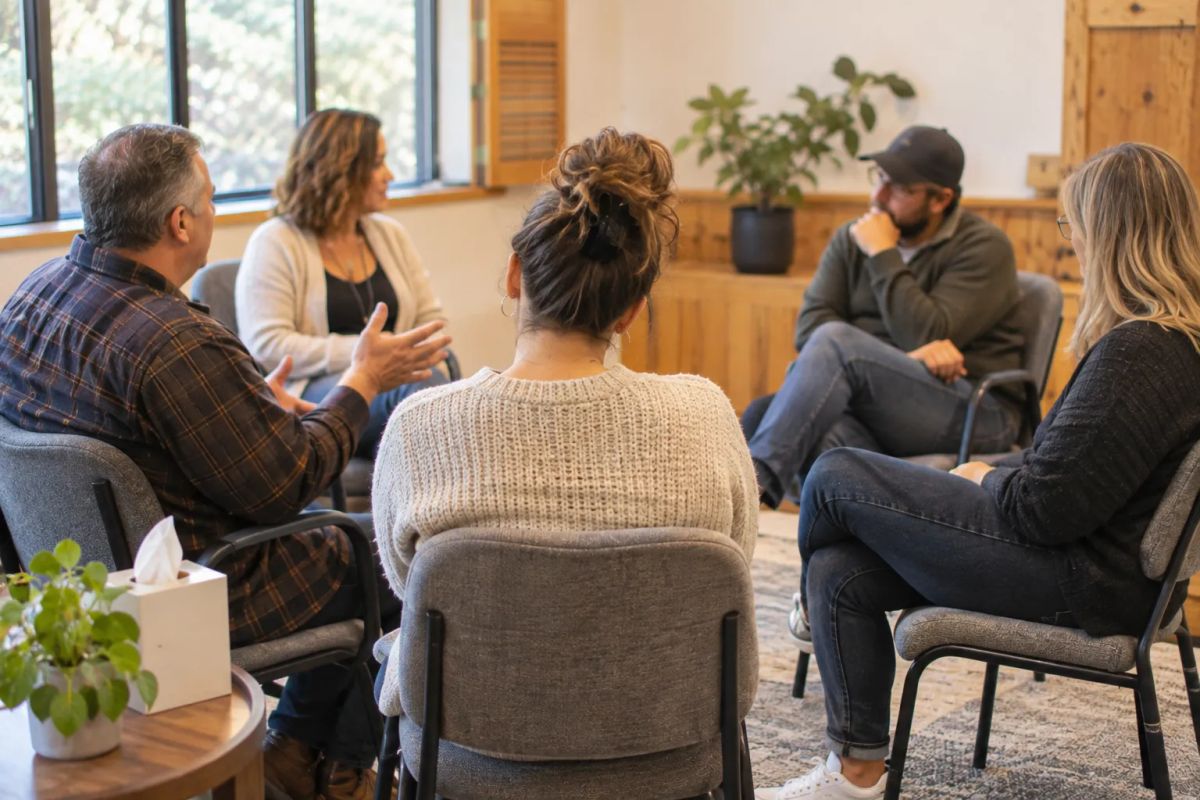
- Support groups for family members give you a room full of people who get it, without having to explain yourself from the beginning.
- The alumni program keeps your loved one connected through meet-ups, events, and mentorship, and participation is free.
One more thing families should know: if your loved one has a slip, they are still welcome in our aftercare programs. Relapse is not failure. It's a signal that something in the plan needs attention, and the worst time to pull away from support is right after a hard moment.
Taking Care of Yourself Counts, Too
Here's the part families tend to skip. You've likely been running on adrenaline for months or years. That doesn't switch off just because treatment ended.
Aftercare support for families after rehab includes support for you, not only for the person in recovery. That might mean a family support group, your own counseling, or simply sleeping through the night without checking your phone. SAMHSA's resources for families are a good place to start if you're not sure what you need.
When you're grounded, you're better able to show up with patience instead of panic. That steadiness is one of the most useful things you can bring home.
What the First Few Months Can Look Like
Every family is different, but a few patterns come up often in the months after IOP ends:
- Routines get tested. Work, bills, and old friends all come back at once.
- Trust rebuilds slowly. It grows through small, kept promises, not one big conversation.
- Old roles resurface. Someone tries to rescue, someone shuts down, and you'll catch yourselves doing it.
- Progress looks uneven. Good weeks and hard weeks can sit right next to each other.
None of that means things are going wrong. It means everyone is relearning how to live together. If you want a sense of what your loved one has been practicing, our post on what IOP actually teaches you about recovery gives a good picture.
Questions Families Ask About Aftercare
Do I have to attend family sessions? No. Family counseling at Lotus is encouraged but not mandatory.
Is aftercare support for families after rehab only for parents? Not at all. Spouses, partners, siblings, and adult children are all part of the picture.
Reach Out to Lotus Recovery
If someone you love is finishing treatment, or you're trying to figure out where you fit now that they're home, you don't have to work it out alone. Aftercare support for families after rehab is part of how we walk with the people we serve in Florence and across the Pee Dee. Reach out to Lotus Recovery today to learn more about our family sessions, workshops, and alumni program. If you or your loved one needs help right now, SAMHSA's National Helpline is free, confidential, and available 24/7 at 1-800-662-4357.
Medically reviewed by David Brooks, MA, Certified Clinical Supervisor.
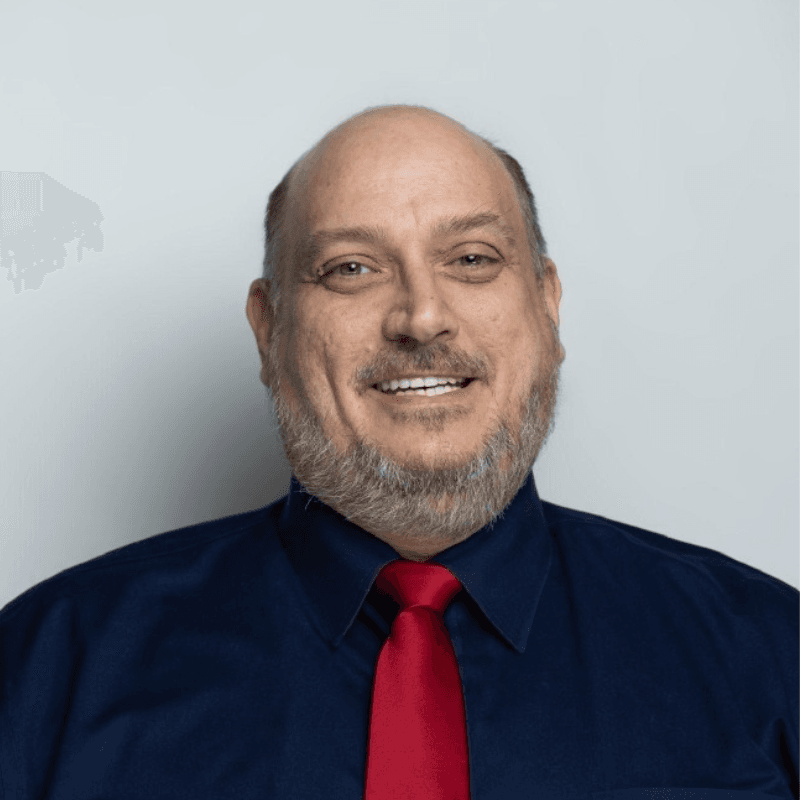
David Brooks
Medical Reviewer
David is the Executive Director at Lotus Recovery with over 27 years of experience in addiction and mental health treatment. He holds a Bachelor’s degree in Psychology from Edinboro University of Pennsylvania and a Master’s degree in Psychology from Capella University. David is a Certified Clinical Supervisor in both South Carolina and Pennsylvania and has served on Opioid Task Force Teams in Erie, PA and Buffalo, NY, with leadership experience across multiple levels of care in several states.