
Relapse Prevention Strategies Used in Intensive Outpatient Programs in South Carolina
Learn relapse prevention strategies used in an intensive outpatient program in South Carolina. Know how outpatient treatment supports sustainable recovery.
Relapse Prevention Strategies Used in Intensive Outpatient Programs in South Carolina
Recovery takes ongoing effort, support, and practical strategies to maintain long-term sobriety. For many individuals, an intensive outpatient program in South Carolina provides tailored treatment while allowing you to live at home and maintain work, school, or family responsibilities.
In this article, we’ll talk about relapse prevention strategies commonly used in outpatient care and how South Carolina addiction treatment programs help people like you develop practical skills for maintaining sobriety.
What Is An Intensive Outpatient Program?
An intensive outpatient program in South Carolina is a form of addiction treatment that provides therapy and recovery support while allowing you to continue living at home. Unlike residential programs, where you stay at a treatment facility, an IOP lets you maintain your daily responsibilities (such as work, school, or family) while participating in regular treatment sessions.
IOPs typically involve scheduled therapy sessions several days a week, which may include individual counseling, group therapy, relapse prevention education, and skill-building activities. Because you return home after each session, you can immediately apply what you learn in treatment to real-life situations. Many programs also offer flexible schedules, including daytime or evening sessions, to accommodate different routines.
Intensive outpatient care is one level within a broader continuum of addiction treatment.
For example, residential rehab provides 24/7 supervision and support in a live-in setting. A Partial Hospitalization Program in South Carolina is another structured option that typically involves longer daily treatment hours but still allows you to go home at night. Compared to these options, intensive outpatient programs offer a slightly lower level of care while still providing consistent therapy and accountability.
Why Relapse Prevention Is A Key Focus In Outpatient Treatment
Relapse prevention is a central part of many South Carolina addiction treatment programs because recovery doesn’t end when substance use stops. Long-term sobriety often requires learning how to manage triggers, stress, and everyday challenges without returning to old habits. Outpatient treatment programs focus on helping you recognize risks early and develop strategies that support lasting recovery.
Professionals often describe relapse as a gradual process that occurs in stages:
- Emotional relapse. During this stage, you may not be thinking about using substances, but certain behaviors and emotions can increase vulnerability. This can include isolating yourself, bottling up emotions, or neglecting self-care routines.
- Mental relapse. At this point, you may begin to struggle internally. Part of you wants to stay sober, while another part may start thinking about using it again. You might romanticize past substance use or begin looking for opportunities to relapse.
- Physical relapse. This is the stage where substance use actually occurs. It often happens after the earlier emotional and mental warning signs have gone unaddressed.

Common Relapse Prevention Strategies Used in IOP
Because relapse often develops gradually, treatment programs focus on teaching practical tools that help you manage triggers and maintain stability. Many of these strategies are a core part of an intensive outpatient program in South Carolina, where therapy and skill-building sessions help you strengthen long-term recovery habits.
Identifying Personal Triggers
One of the first steps in relapse prevention is recognizing the people, places, and emotions that may increase the risk of substance use. Triggers can include stressful situations, social environments associated with past use, or difficult emotional states. In treatment, you learn how to identify these triggers and develop strategies to avoid them or respond to them in healthier ways.
Cognitive Behavioral Therapy (CBT)
CBT is widely used in addiction treatment because it helps you understand how thoughts influence behaviors. Through CBT, you learn to identify unhealthy thought patterns that may lead to cravings or risky decisions. Over time, you practice replacing those patterns with healthier perspectives and behaviors that foster recovery.
Developing Healthy Coping Skills
Recovery also involves building new ways to manage stress and emotions. Treatment programs often teach practical coping tools such as:
- Stress management techniques to reduce pressure and anxiety
- Mindfulness practices that help you stay present and aware of your thoughts
- Emotional regulation skills that allow you to handle difficult feelings without turning to substances
Building a Strong Support System
Support from others plays a major role in maintaining sobriety. Many programs encourage participation in peer support groups, where you can connect with others in recovery who understand your experiences. Family involvement and accountability partners can also provide encouragement and help you stay committed to your goals.
Creating a Structured Routine
A stable daily routine can reduce uncertainty and help reinforce positive habits. Establishing healthy daily routines, maintaining work, school, or family responsibilities, and setting achievable goals all contribute to a sense of stability. Over time, this structure helps support long-term recovery and lowers the risk of relapse.
How to Know If An Intensive Outpatient Program In South Carolina Is For You
While building routines and coping skills is important, the level of support you need can vary depending on your situation. For many people, an intensive outpatient program in South Carolina offers the right balance of structured treatment and flexibility during recovery.
You may benefit from an intensive outpatient program if:
- You recently completed inpatient treatment. Transitioning from residential care back to everyday life can be challenging. An IOP provides continued therapy and support as you adjust to new routines and responsibilities.
- You need structured support but can safely live at home. Intensive outpatient programs offer regular counseling and recovery education while allowing you to remain in a stable home environment.
- You want flexible treatment while maintaining responsibilities. Many IOPs offer daytime or evening sessions, making it easier to continue working, attending school, or caring for family while receiving treatment.
- You’re concerned about relapse and want additional coping tools. If you feel that ongoing guidance and accountability would help strengthen your recovery, outpatient treatment can provide practical strategies and professional support.
A professional assessment can help determine whether an intensive outpatient program is the right level of care based on your needs and recovery goals.

Conclusion
Recovery is an ongoing process that requires support, self-awareness, and practical strategies to maintain long-term sobriety. Relapse prevention plays an important role in helping individuals recognize triggers, develop healthier coping skills, and build routines that support lasting recovery. Programs that focus on therapy, support systems, and structured habits can make a meaningful difference in strengthening your recovery journey.
An intensive outpatient program in South Carolina can provide the guidance and structure many people need while still allowing them to live at home and manage daily responsibilities. If you or a loved one is looking for professional support, Lotus Recovery offers compassionate care and treatment to help individuals build the skills needed for long-term recovery. Contact us now!
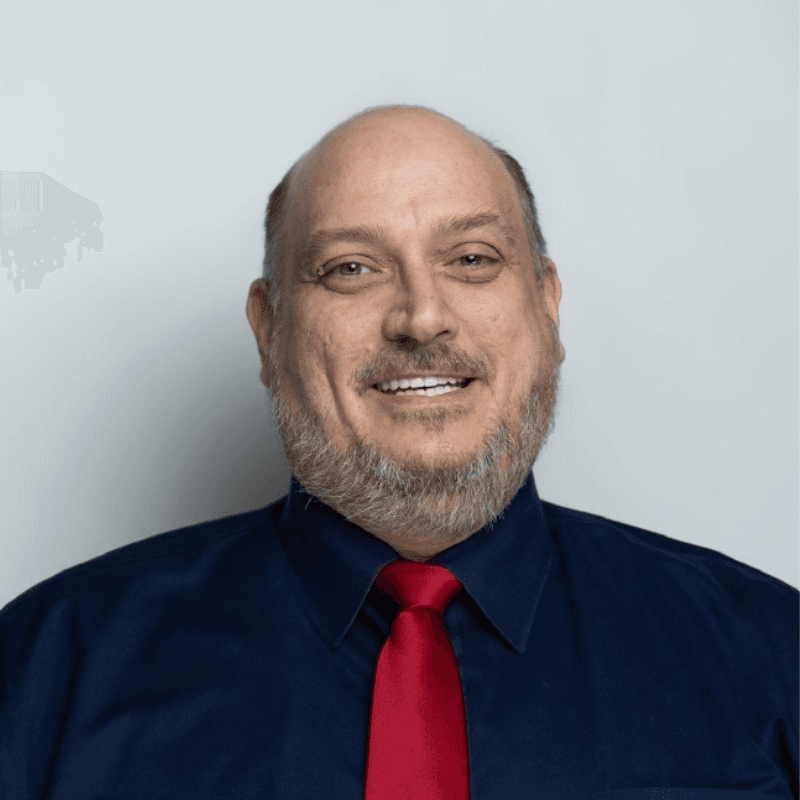
David Brooks
Medical Reviewer
David is the Executive Director at Lotus Recovery with over 27 years of experience in addiction and mental health treatment. He holds a Bachelor’s degree in Psychology from Edinboro University of Pennsylvania and a Master’s degree in Psychology from Capella University. David is a Certified Clinical Supervisor in both South Carolina and Pennsylvania and has served on Opioid Task Force Teams in Erie, PA and Buffalo, NY, with leadership experience across multiple levels of care in several states.