%20(1).png)
.webp)
Compare outpatient vs. inpatient fentanyl treatment, including detox, PHP, IOP, clinical support, and how to choose the right level of care for recovery.
According to the National Institute on Drug Abuse, fentanyl is 50 to 100 times more potent than morphine, which contributes to a faster and more intense physical dependence than most other substances.
Choosing between outpatient and inpatient fentanyl treatment is not a matter of which setting is inherently better. It's a matter of matching the level of care to a person's current medical and personal circumstances, since that decision shapes the treatment plan that follows.
General comparisons of outpatient and inpatient rehab do not always account for the specific demands of opioid withdrawal. Fentanyl withdrawal produces intense physical symptoms, including severe muscle cramping, nausea, cold sweats, insomnia, and significant psychological craving.
Because of this, medically supervised detox is a necessary first step before any fentanyl treatment program, whether inpatient or outpatient. Fentanyl withdrawal should not be attempted without medical oversight. At Lotus Recovery, on-site detox is not offered; clients are referred to trusted detox providers first and enter treatment at Lotus once that initial phase is complete.
Inpatient, or residential, treatment means living at the facility for the duration of the program, with clinical oversight around the clock. For fentanyl specifically, this separation from triggering environments can be important in the early weeks following detox, when cravings remain strong.
Inpatient care typically includes daily individual therapy, group programming, medication management, and continuous clinical oversight, with the structure built directly into the schedule. The tradeoff is that inpatient care requires stepping away from work, family responsibilities, and daily life for the duration of treatment, which isn't feasible for every client due to financial or logistical constraints.
.webp)
Outpatient care does not mean less clinical intensity, particularly at the higher levels of outpatient treatment. Two levels are relevant here:
Partial Hospitalization Program (PHP) is the most structured outpatient option. Clients attend treatment for several hours a day, five days a week, and return home or to structured sober living each evening. PHP includes individual therapy, group sessions, psychiatric support, medication management, and life skills work. For clients who have completed detox and need clinical-level care without a full residential stay, PHP is often an appropriate next step. More detail is available on the Partial Hospitalization Program page.
Intensive Outpatient Program (IOP) offers more scheduling flexibility for clients who are stabilized and ready to reintegrate into daily responsibilities while maintaining structured support. At Lotus Recovery, the Intensive Outpatient Program includes group therapy, individual mentorship, 12-Step integration, and aftercare planning, with associated housing, meals, and essentials available for enrolled clients.
Outpatient fentanyl treatment is not appropriate for every client. Clients in an active-use environment at home, without a stable support system, or with co-occurring medical or psychiatric conditions requiring constant monitoring typically need a higher level of care.
When detox is complete and the home environment is reasonably stable, a high-structure outpatient program such as PHP or IOP can be clinically appropriate for fentanyl recovery. Lotus Recovery's admissions process begins with a clinical conversation to determine the appropriate level of care, including a referral elsewhere if that's the better fit.
.webp)
A higher level of care is not automatically better for every person. Someone who completes detox, attends PHP five days a week, lives in structured sober housing, and remains accountable to their treatment plan is receiving comprehensive clinical support. The effectiveness of treatment depends on the level of structure, consistency, and participation involved, not simply on whether someone sleeps at a treatment facility.
Continued participation in care is associated with better outcomes for people with opioid use disorder. That is why Lotus Recovery offers a full continuum of care designed to support clients through each stage of recovery, rather than treating recovery as a single episode.
For South Carolina families evaluating fentanyl treatment options, client accounts on Google and stories of sobriety from former clients provide additional perspective on what treatment at Lotus Recovery involves.
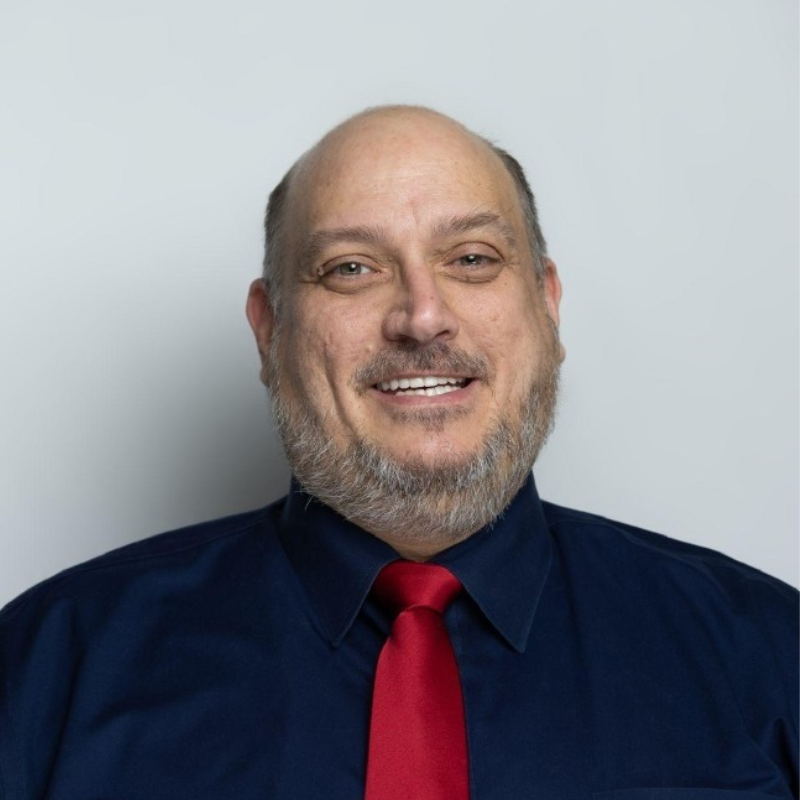
Medical Reviewer
David is the Executive Director at Lotus Recovery with over 27 years of experience in addiction and mental health treatment. He holds a Bachelor’s degree in Psychology from Edinboro University of Pennsylvania and a Master’s degree in Psychology from Capella University. David is a Certified Clinical Supervisor in both South Carolina and Pennsylvania and has served on Opioid Task Force Teams in Erie, PA and Buffalo, NY, with leadership experience across multiple levels of care in several states.

.webp)
.webp)