%20(1).png)
.jpeg)
Explore how PHP treatment provides structured support and life skills for lasting recovery. Learn how extended care helps you stay sober in South Carolina.
You might think a few weeks in rehab will be enough to fix years of addiction, but real recovery usually takes more time and support. With PHP treatment, you get a level of care that fits between inpatient and outpatient programs. And it offers enough structure to keep you safe and accountable while you live at home and practice sober routines.
In this article, you’ll discover why extended care matters, what a typical day in a PHP program looks like, how your brain slowly heals, and strategies for rebuilding your life, preventing relapse, and transitioning out of treatment with confidence.
Addiction reshapes the brain slowly, and healing follows that same slow timeline. In the first few weeks of recovery, most people are still stabilizing physically, adjusting emotionally, and learning how to sit with discomfort without using substances. Short-term programs can help you get started, but they rarely give you enough time to explore the deeper patterns and triggers that drive your addiction.
PHP treatment offers a structured, extended level of support without requiring full hospitalization. Because you attend therapy for several hours a day, multiple days a week, you have the space to process emotions, build coping skills, and practice healthier habits while still going home at night. This rhythm gives you the real-world experience that early recovery often lacks.
And while 90 day rehab programs are traditionally residential, the idea behind them — giving you enough time to heal and rebuild — applies here, too. PHP aligns with that same philosophy: you recover best when you aren’t rushed, when you have steady support, and when you’re able to work on your sobriety with consistency and repetition.
Partial hospitalization programs typically last anywhere from 4 to 8 hours each day, up to 5 days a week. You commute to and from your treatment program each day. Depending on your symptoms and needs, you may spend anywhere from a few weeks to several months in a PHP.
When you enter PHP treatment, you’re stepping into a level of care that finally gives you the time and space to work on the things you usually can’t tackle in a short program. Instead of rushing through recovery, you get room to breathe, reflect, and actually practice the tools you're learning.
Most PHP programs in South Carolina move through several phases designed to stabilize you first, then help you rebuild your life piece by piece. While each center structures things a little differently, extended care often includes:
As you move through these phases, you transition from simply stopping substance use to building a life that supports long-term recovery. And that’s where real change happens.

PHP treatment offers a level of structure and consistency that goes far beyond what you get in standard outpatient care. You’re showing up for several hours a day, multiple days a week, which gives you enough support to stay grounded while still having the freedom to live at home. This middle ground is what makes PHP such a powerful option for people who want real progress without stepping away from their daily lives.
In PHP, you’re surrounded by professionals who monitor your emotional and physical health every day. You’re not trying to figure everything out on your own, and you don’t have long gaps between sessions where triggers can pile up. The regular contact keeps you accountable and supported.
PHP gives you multiple therapy sessions each day, including group work, one-on-one counseling, and skills training. That level of repetition — in a personalized treatment setting — helps new habits stick faster and helps you process difficult emotions before they spiral into setbacks.
If you’ve just finished residential treatment, PHP acts as a safety net. You’re re-entering real life, but not without backup. You get guidance, tools, and a predictable routine that makes the transition less overwhelming and more stable.
One of the biggest advantages of PHP treatment is the chance to work on real-life skills while you’re still in a structured environment. You’re not just learning how to stay sober; you’re learning how to function confidently in daily life again. Instead of rushing back into responsibilities you don’t feel ready for, you get time to rebuild practical foundations step by step.
PHP programs often focus on life skills training, like managing stress, communicating clearly, organizing your day, and making healthier decisions. You also spend time strengthening coping strategies so you can navigate challenges like conflict, boredom, or emotional triggers without slipping back into old habits. This kind of preparation helps you feel more capable and grounded when you leave treatment.
You also get guidance on practical planning for finances, work, and relationships — areas that often get messy during active addiction. And because you’re attending treatment frequently, you can practice these skills in real time, get feedback from your team, and refine what works for you.
If you’re working on sobriety while managing depression, anxiety, or past trauma, PHP treatment gives you a supportive space to tackle both at the same time. With regular therapy, access to psychiatric care, and a team that understands how mental health and addiction interact, you can stabilize emotionally and strengthen coping skills in real time.
While some people choose longer options like a 90-day long-term program in South Carolina, PHP still provides a structured, consistent approach that helps you address co-occurring conditions effectively. The focus is on building emotional resilience and integrating recovery skills into your everyday life, giving you the foundation you need for long-term sobriety.
Recovery isn’t just about therapy and skill-building; it’s also about connecting with people who understand what you’re going through. Strong peer networks don’t develop overnight, and PHP treatment gives you the time and structure to build those connections in a meaningful way.
During PHP, you’ll have opportunities to focus on:
Developing this sense of community is one of the strongest predictors of long-term sobriety, giving you emotional reinforcement and practical guidance as you navigate life in recovery.
Leaving a PHP program doesn’t have to feel like stepping off a cliff. At an addiction treatment center in South Carolina, discharge planning is more thorough than in shorter programs, giving you the support you need to move confidently into the next phase of recovery. You’ll work with your care team to line up therapists, support meetings, housing options, and even employment resources so you’re not left scrambling once treatment ends.
PHP also allows for a gradual step-down into outpatient programs or sober living environments. This slower transition gives you a chance to apply the skills you’ve learned while still having professional support at hand. The extended runway reduces the shock and overwhelm that can sometimes follow shorter programs, making it much easier to maintain your progress and avoid relapse.
By taking advantage of these transition supports, you leave your program not just sober, but equipped with a clear plan, trusted resources, and the confidence to handle the challenges of everyday life in recovery.

PHP treatment gives you the time and structure to achieve deeper healing, build stronger life skills, and develop more effective relapse-prevention strategies. By committing to a program that balances intensive support with real-world application, you set yourself up for a more sustainable recovery.
If you’re ready to explore whether extended care is the right next step, consider reaching out to a qualified addiction treatment center in South Carolina. Programs like Lotus Recovery offer comprehensive PHP treatment designed to support you through every phase of your journey and help you maintain lasting sobriety.
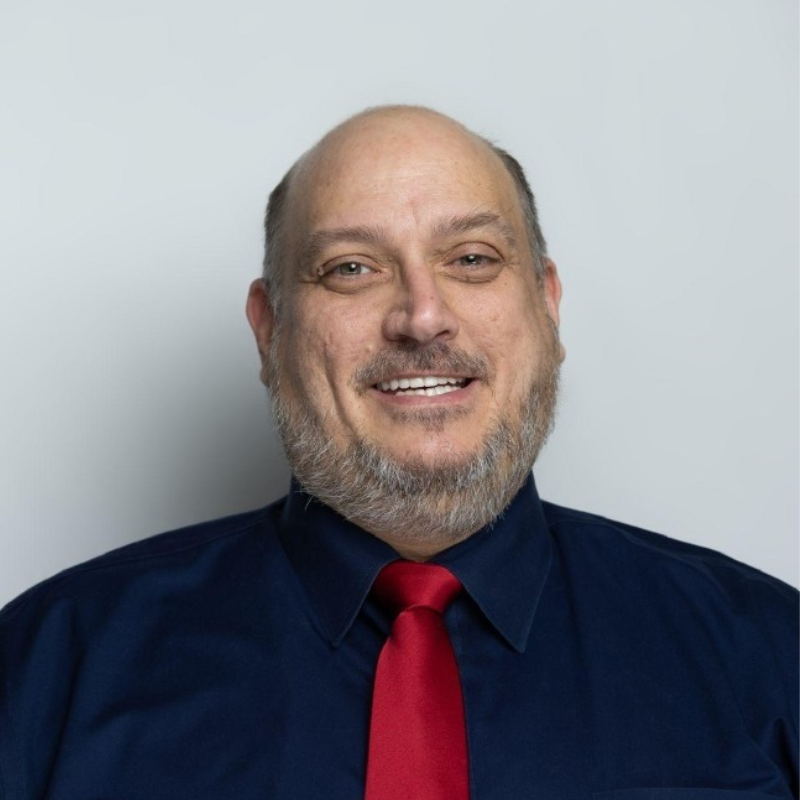
Medical Reviewer
David is the Executive Director at Lotus Recovery with over 27 years of experience in addiction and mental health treatment. He holds a Bachelor’s degree in Psychology from Edinboro University of Pennsylvania and a Master’s degree in Psychology from Capella University. David is a Certified Clinical Supervisor in both South Carolina and Pennsylvania and has served on Opioid Task Force Teams in Erie, PA and Buffalo, NY, with leadership experience across multiple levels of care in several states.
.webp)
.webp)
.jpg)