%20(1).png)
.jpg)
Learn what a partial hospitalization program (PHP) is, who it helps, and how it fits into the addiction treatment continuum.
If a clinician has recommended a partial hospitalization program, you may be wondering what that means and how it differs from inpatient or outpatient treatment.
A partial hospitalization program (PHP) is a structured level of care that provides several hours of treatment during the day while allowing you to return home in the evening. It offers more support than standard outpatient treatment without requiring you to live at a treatment facility.
For people recovering from substance use disorders, PHP can provide an important transition between more intensive treatment and greater independence. This guide explains what a partial hospitalization program involves, who may benefit from it, and where PHP fits within the continuum of care, using Lotus Recovery in Florence, South Carolina, as an example.
A partial hospitalization program provides a consistent treatment schedule designed to support recovery while helping people gradually return to everyday life.
At Lotus Recovery, our Partial Hospitalization Program runs several hours a day, five days a week. During that time, clients participate in a combination of individual therapy, group sessions based on 12-Step principles, relapse prevention, and life-skills development.
Medication management and psychiatric support are also available for those who need them. Family involvement may be incorporated into treatment as well, helping loved ones better understand recovery and learn how to provide healthy, appropriate support.
This level of structure gives clients time to focus closely on recovery while continuing to live outside of a residential setting. It also creates opportunities to practice new coping skills, routines, and behaviors in daily life while still having consistent clinical support.
PHP is intended for people who need a significant level of structure and support but do not require 24-hour residential care.
For some people, a partial hospitalization program begins after completing detox or residential treatment. PHP provides a structured transition between around-the-clock care and less intensive outpatient treatment.
Detox is not offered on-site at Lotus. When detox is necessary, our team can connect clients with trusted referral partners before they begin PHP.
PHP may also be appropriate for someone entering treatment who does not require inpatient care but needs more support than standard outpatient therapy can provide. A stable and supportive living environment is particularly important because clients return home after treatment each day.
SAMHSA provides guidance on substance use disorder treatment, including the importance of matching services and treatment intensity to a person's individual needs. If you're comparing different outpatient options, our guide to IOP vs. PHP in South Carolina explains how these two levels of care differ.
.webp)
Addiction treatment is rarely one single program or level of care. A person's needs can change throughout recovery, which is why treatment is often organized as a continuum.
The ASAM Criteria provide a framework clinicians use to determine the appropriate level of addiction treatment based on factors such as withdrawal risk, physical and mental health, relapse potential, and a person's recovery environment.
Within that continuum, PHP provides intensive, structured treatment without requiring an overnight stay. It can serve as a step down from residential treatment or, when clinically appropriate, as an entry point for someone who does not need 24-hour care.
As clients become more stable and require less intensive support, they may transition from PHP into an Intensive Outpatient Program (IOP). Lotus Recovery's IOP provides a more flexible treatment schedule, making it easier to balance ongoing recovery with work, school, family, and other responsibilities.
The goal is not to move through treatment as quickly as possible. It's to make sure the level of support changes appropriately as a person's needs change.
Treatment within a partial hospitalization program addresses more than substance use itself. It also helps clients understand the behaviors, emotions, relationships, and circumstances that can contribute to substance use and increase the risk of relapse.
At Lotus Recovery, individual therapy provides space to address personal concerns and recovery goals in greater depth. Group therapy allows clients to learn from others, develop accountability, strengthen communication skills, and build connections with people who understand the recovery process.
Family support can also play an important role. Substance use often affects relationships throughout a household, and family sessions can help loved ones understand addiction, establish healthier boundaries, improve communication, and learn how to support recovery without taking responsibility for it.
Relapse prevention is another central part of PHP. Clients work on identifying triggers and high-risk situations, developing healthier coping strategies, recognizing early warning signs, and creating a plan for reaching out when additional support is needed.
Cost is an important consideration when choosing a partial hospitalization program. PHP may be covered by health insurance when it is considered medically necessary, although benefits, authorization requirements, and out-of-pocket costs vary by plan.
Lotus Recovery is in-network with Blue Cross Blue Shield, and cash-pay options are available for people without BCBS coverage. You can learn more about insurance and payment options on our payments page or contact our admissions team to discuss your specific situation.
The admissions process at Lotus Recovery is designed to be straightforward. It begins by contacting us by phone or through our website, followed by a brief phone interview to better understand your needs. From there, our team can help determine the appropriate next steps and schedule an admission date. Transportation to our Florence facility is also available when possible.
You can begin the process through our admissions page.
.webp)
Choosing the right level of addiction treatment depends on several factors, including the severity of substance use, withdrawal risk, mental and physical health needs, previous treatment experiences, home environment, and the amount of daily support required.
A partial hospitalization program in South Carolina may be appropriate if you need structured, frequent treatment but are medically stable and able to return to a safe living environment each evening. It may also provide a valuable transition if you're leaving residential treatment but aren't ready to move directly into a less intensive outpatient program.
You don't need to determine the appropriate level of care by yourself. A clinical assessment can help identify what level of treatment best matches your current needs.
If you're considering PHP at Lotus Recovery, read what our clients have to say about Lotus Recovery on Google to learn more about the experiences of people who have received care with us.
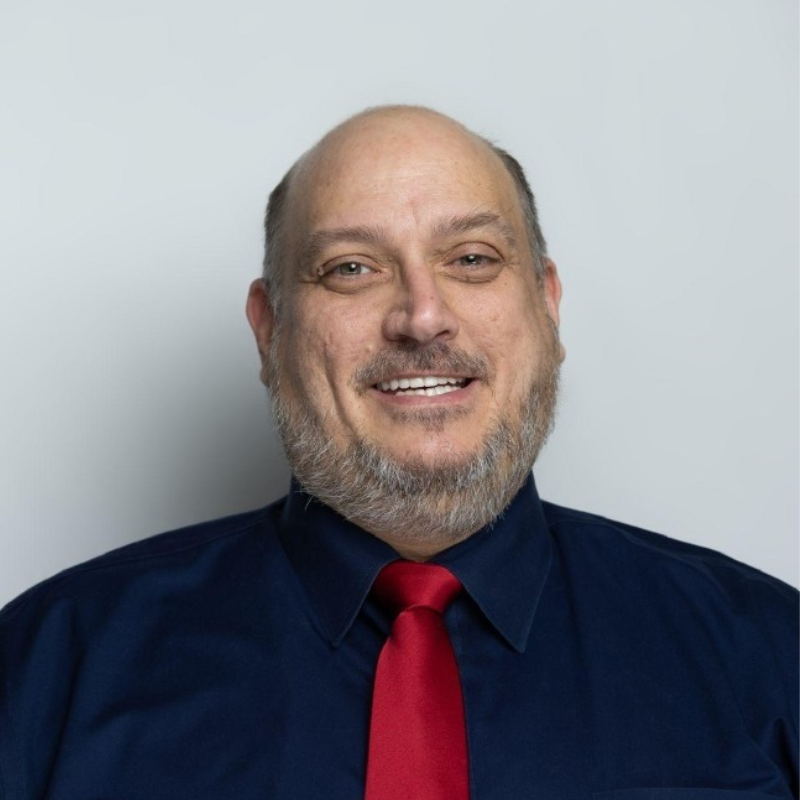
Medical Reviewer
David is the Executive Director at Lotus Recovery with over 27 years of experience in addiction and mental health treatment. He holds a Bachelor’s degree in Psychology from Edinboro University of Pennsylvania and a Master’s degree in Psychology from Capella University. David is a Certified Clinical Supervisor in both South Carolina and Pennsylvania and has served on Opioid Task Force Teams in Erie, PA and Buffalo, NY, with leadership experience across multiple levels of care in several states.
.webp)