%20(1).png)

Learn how an addiction treatment center in South Carolina uses 12-Step programs as part of recovery. Discover the role of peer support and community.
They say no man is an island. And this adage couldn’t be more accurate when it comes to recovery. Addiction often grows in isolation, which is why connection plays such a vital role in healing. At any addiction treatment center in South Carolina, recovery goes beyond just what you do on your own. It also covers the people who walk alongside you.
Being around others who understand what you’re going through can help you stay sober, especially during the more challenging parts of recovery. In this article, we’ll discuss why 12-Step programs remain widely used and how they support your recovery from addiction in the long run.
A reputable addiction treatment center in South Carolina often includes 12-Step programs in the recovery process. Originally developed by Alcoholics Anonymous, a 12-Step program is a structured approach that helps you work through addiction with support from others who understand what you’re going through.
The program centers on accountability and personal responsibility, along with a spiritual element that doesn’t have to be religious; it can simply mean relying on a sense of purpose, community, or something greater than yourself. Meetings typically involve group sharing, step work, and guidance from a sponsor who has experience in recovery.
In the long run, 12-Step programs have shown strong outcomes. In one long-term study, about half of the individuals who entered AA on their own were abstinent at one- and three-year follow-ups, compared to about a quarter of those in formal treatment. At eight years, abstinence rates remained slightly higher for AA participants (49%) than those in formal treatment (46%).

The long-term impact of 12-Step programs points to something deeper than structure alone. More importantly, it highlights the role of connection. In fellowship-based recovery SC, being around others who understand your experience can make a meaningful difference in how you navigate recovery.
Isolation can make recovery harder. When you’re on your own, it’s easier to fall back into old patterns, lose motivation, or feel disconnected from progress. Here’s how the power of community can help:
The connection found in recovery communities extends into clinical care as well. Many providers include 12-Step programs South Carolina as part of treatment because they offer support that continues outside of scheduled sessions.
Individual and group therapy help you understand the underlying causes of substance use. 12-Step work reinforces accountability and reflection outside of sessions. It also gives you a way to practice honesty and responsibility in everyday situations.
During detox, the focus is on stabilization and safety. Introducing 12-Step principles early can help you begin building a support system. This can make the transition out of detox feel more manageable and less isolating.
In partial hospitalization (PHP) and intensive outpatient (IOP) settings, 12-Step participation often complements daily treatment. You can apply what you learn in therapy directly within a recovery community. It also helps you stay consistent while balancing treatment with daily life.
After treatment ends, ongoing support still matters. 12-Step involvement at an addiction treatment center in South Carolina helps maintain continuity by giving you access to support, routine, and accountability over time.
12-Step programs aren’t one-size-fits-all, but they’ve helped many people build a strong foundation in recovery. When you work with an addiction treatment center in South Carolina, you’ll often have access to 12-Step alongside other approaches, so you can see what feels right for you.
If you decide to try a meeting, you can expect a group setting where people share their experiences openly. There’s no pressure to speak right away. You can listen, observe, and get a feel for how the process works at your own pace.
Some people have concerns about the spiritual aspect or being in a group environment. It’s important to know that the “higher power” concept is flexible, and meetings are generally focused on support rather than judgment.
Ultimately, the best approach is the one that works for you. Exploring different options can help you find a path that feels both realistic and sustainable.

They say no man is an island, and that idea fits recovery for a reason. Trying to do everything on your own can make it harder to stay consistent, especially without the right support around you.
That’s part of why 12-Step programs remain a steady part of care at an addiction treatment center in South Carolina. They give you a way to stay connected with others, build accountability, and keep working on recovery outside of treatment hours.
At Lotus Recovery, we offer care that includes both clinical support and 12-Step involvement. If you’re looking into treatment, our team can help you choose a program that gives you both guidance and a strong support system. Contact us today!
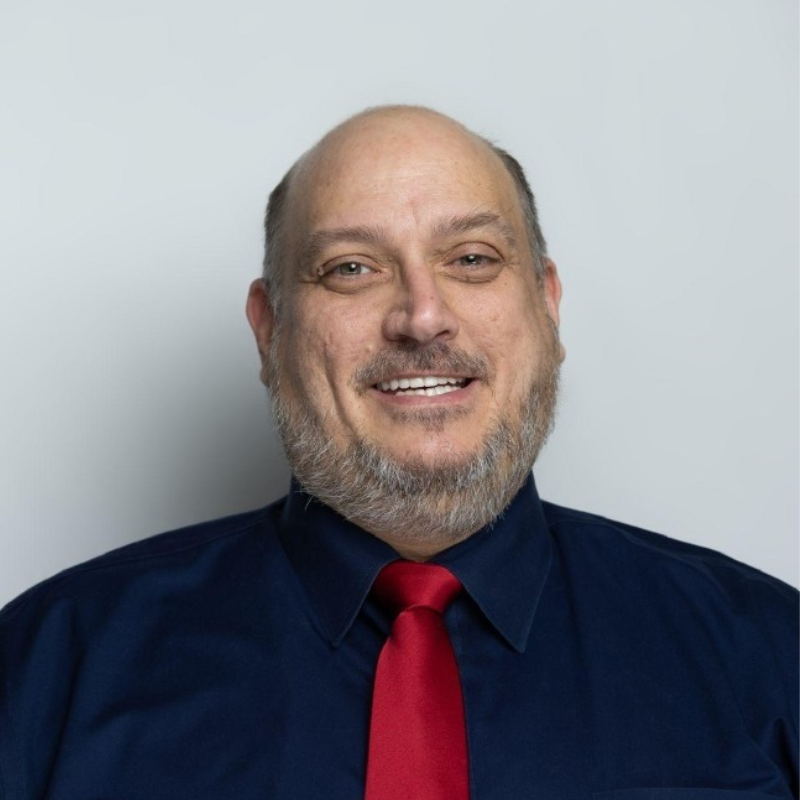
Medical Reviewer
David is the Executive Director at Lotus Recovery with over 27 years of experience in addiction and mental health treatment. He holds a Bachelor’s degree in Psychology from Edinboro University of Pennsylvania and a Master’s degree in Psychology from Capella University. David is a Certified Clinical Supervisor in both South Carolina and Pennsylvania and has served on Opioid Task Force Teams in Erie, PA and Buffalo, NY, with leadership experience across multiple levels of care in several states.
.webp)
.webp)