%20(1).png)
.webp)
Starting outpatient rehab? Here's what to expect each week, including therapy, group sessions, relapse prevention, and discharge planning.
Most people don't know what outpatient rehab actually looks like until they're sitting in the parking lot, wondering if they made the right call. That uncertainty is normal. It doesn't mean you're not ready.
This post is for anyone who's close to making the call — or who already has — and wants a realistic picture of what the days ahead actually look like. Just an honest, week-by-week look at what outpatient treatment feels like from the inside.
The short answer: it's structured, it's real, and it works differently than most people expect.
Outpatient rehab covers a range of programs that let you get treatment without leaving your life entirely. That includes Partial Hospitalization Programs (PHP), which run several hours a day, five days a week, and Intensive Outpatient Programs (IOP), which are built for people managing work, family, or school alongside recovery.
The difference between outpatient and residential isn't about seriousness. It's about fit. Some people need to stay put because leaving would cost them their job or their family's stability. Outpatient makes space for that reality. SAMHSA's treatment locator and clinical guidelines recognize IOP and PHP as clinically appropriate for many people with moderate to severe substance use disorders.
At Lotus Recovery's Intensive Outpatient Program, IOP-enrolled clients have housing with all meals and essentials covered. There's also an on-site sponsor available for step work. That combination matters, because one of the biggest barriers to outpatient treatment is instability at home.
.webp)
During the first week of outpatient rehab, you'll go through an intake process, meet your treatment team, and start understanding the structure of the program. Expect some paperwork, a clinical assessment, and probably a lot of sitting with discomfort while you figure out where you fit.
Group sessions begin early. Talking in a room with strangers isn't comfortable at first. Most people spend the first few sessions listening more than speaking, and that's fine. You're allowed to take it in before you open up.
What to expect in outpatient rehab during week one is mostly this: routine. Showing up at the same time, to the same place, with the same people, starts doing something to your nervous system that nothing else does. Structure isn't just scheduling — it's the beginning of stability.
By the second week, the clinical work picks up. Individual therapy sessions give you a space to start unpacking what's underneath the substance use — the stress, the trauma, the patterns you may not have named before. Group therapy shifts, too. You start recognizing faces, and the room starts feeling less like a waiting room and more like a place where real things happen.
At Lotus, workshops run one to two hours each and cover addiction science, life skills, relapse prevention, and 12-Step principles. No prior 12-Step experience is required. The goal is to give you enough tools that you can find what actually works for you.
Dual diagnosis gets addressed here, too. Many people struggling with addiction are also carrying depression, anxiety, or trauma that hasn't been treated. If that's your situation, the clinical team works both issues together rather than treating them in separate boxes. NIDA's research on co-occurring disorders confirms what most clinicians already know: treating one without the other rarely holds.
.webp)
This is where most people start to notice a shift. The acute discomfort of early recovery begins to settle, and the work moves toward building. Coping skills. Accountability. Real conversations about what life looks like when you leave the structure of the program.
Relapse prevention planning is a core part of this phase. You identify triggers — specific situations, people, emotional states — and build an actual response plan. If you want to read more about how that piece works, this post on relapse prevention strategies used in IOP goes deeper.
Mentorship becomes more central in this stretch, too. One-on-one time with someone who understands addiction from the inside is a different kind of support than clinical therapy alone. That combination of professional care and peer connection is something that shows up in the research and in the lived experience of people who make it.
Discharge doesn't mean you're done. It means the intensive phase is complete, and the work shifts from the program holding the structure to you holding it yourself. That transition is something good programs plan for deliberately, not as an afterthought.
Aftercare planning at Lotus connects clients to ongoing support — sponsor relationships, community resources, continued check-ins. The goal of aftercare and support isn't to keep you dependent on the program. It's to make sure you're not walking out the door into a vacuum.
Family can be part of this phase, too. Family support sessions focus on communication and rebuilding trust because recovery rarely happens in isolation from the people who share your life. Some addiction science workshops are open to family members directly.
If you're weighing your options between levels of care, this IOP vs. PHP breakdown can help you think through what fits your situation.
.png)
Knowing what to expect in outpatient rehab is part of what makes it less frightening to start. The other part is knowing the people in the room will show up for you because some of them have been where you are.
Lotus Recovery is located in Florence, SC. If you're ready to take a look at what recovery could actually feel like, reach out to our admissions team or read what past clients are saying on Google before you make the call.
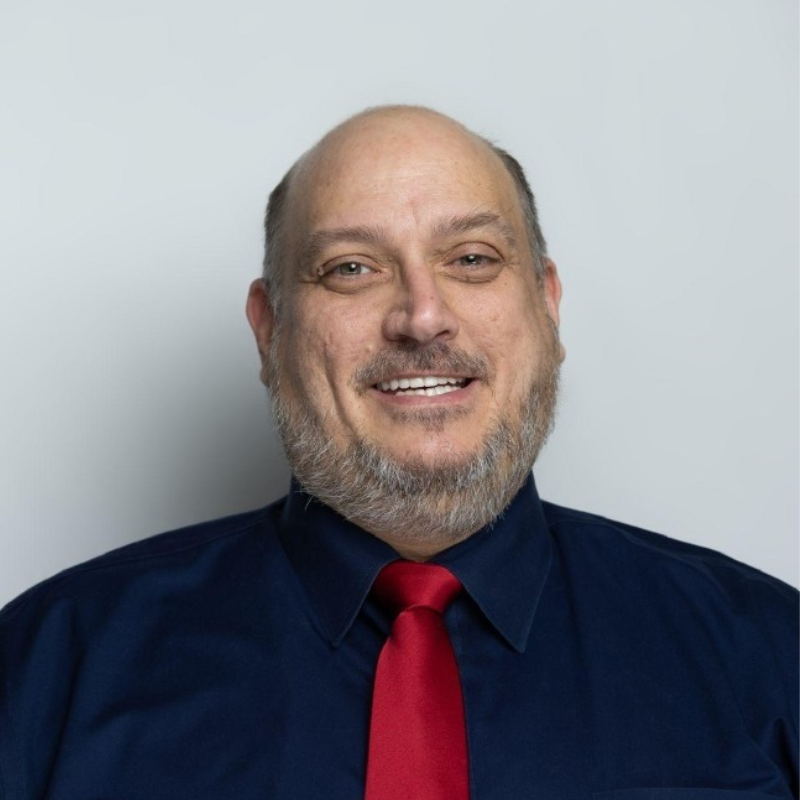
Medical Reviewer
David is the Executive Director at Lotus Recovery with over 27 years of experience in addiction and mental health treatment. He holds a Bachelor’s degree in Psychology from Edinboro University of Pennsylvania and a Master’s degree in Psychology from Capella University. David is a Certified Clinical Supervisor in both South Carolina and Pennsylvania and has served on Opioid Task Force Teams in Erie, PA and Buffalo, NY, with leadership experience across multiple levels of care in several states.

.webp)
.webp)