%20(1).png)
Learn how South Carolina addiction treatment is addressing rising xylazine and stimulant use. Explore risks, effects, and effective care options available.
An alarming truth about substance use today is that you may be taking something without even realizing it. Drugs aren’t always what they seem anymore. For instance, xylazine, a powerful animal tranquilizer, is being mixed into the drug supply. Additionally, stimulants like meth and cocaine are still widely used, sometimes alongside other substances. Because of this, South Carolina addiction treatment continues to evolve to better support what people are actually going through.
Not knowing what’s really in a substance can increase your risk of overdose, cause unexpected health issues, and make recovery more difficult without the right kind of care.
In this article, you’ll get a clearer look at how xylazine and stimulants affect users, what makes them harder to treat, and the types of programs now available if you’re looking for professional support.
Xylazine, often called “tranq,” is a veterinary sedative that providers never intended for human use. Even so, it has entered the illicit drug supply, most often mixed with opioids like fentanyl. Many people take it without realizing it’s there.
Dealers add xylazine to extend the effects of opioids, but it can have serious consequences. It slows breathing, lowers heart rate, and drops blood pressure to dangerous levels. It also contributes to severe skin wounds and infections, including open ulcers that can quickly worsen without medical care.
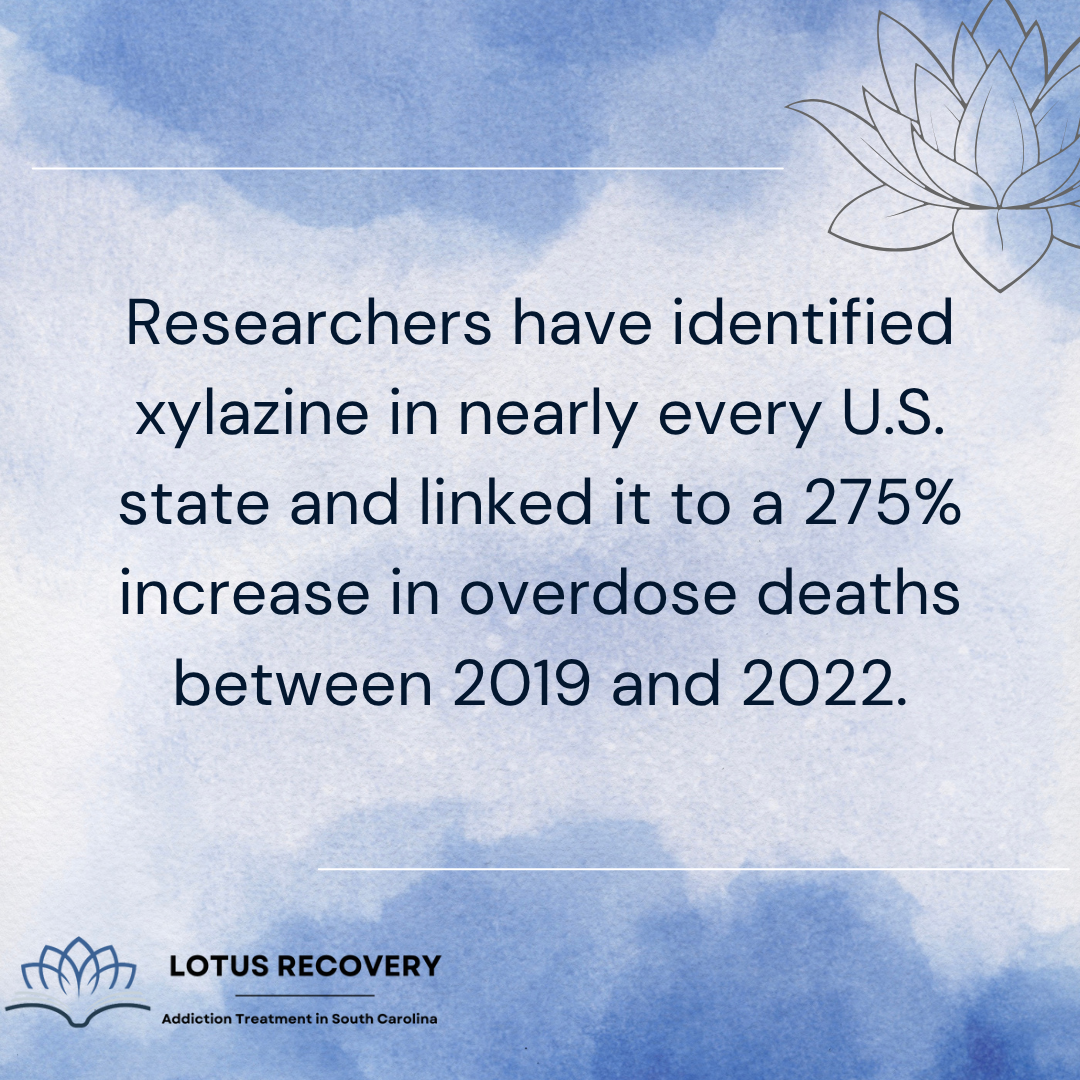
Its spread has accelerated across the country. In fact, researchers have identified xylazine in nearly every U.S. state and linked it to a 275% increase in overdose deaths between 2019 and 2022. Because xylazine is not an opioid, standard overdose reversal medications do not fully counter its effects, which makes emergency response and recovery more difficult.
These risks highlight the need for more targeted care, including xylazine treatment South Carolina, that addresses both the physical impact and the challenges of withdrawal.
Alongside the rise of xylazine, stimulant use continues to play a major role in what providers see in South Carolina addiction treatment. Substances like methamphetamine, cocaine, and misused prescription stimulants remain widely available, and their use has not slowed.
Recent data from the South Carolina Department of Public Health shows that while overall controlled substance prescriptions have declined, stimulant prescriptions have continued to increase, with dextroamphetamine/amphetamine remaining the most commonly dispensed.
Access and overlap with other substances both contribute to this trend. Stimulants are relatively easy to obtain, and polysubstance use has become more common.
Stimulant use can affect both your mental and physical health. You may experience anxiety, paranoia, or agitation, along with increased strain on the heart. Repeated use can further develop into patterns that are difficult to break without support.
Because stimulant use often overlaps with other substances, effective care needs to address multiple factors at once. Programs like stimulant rehab South Carolina focus on helping you manage both the physical and psychological aspects of recovery.
As xylazine and stimulant use become more common, treatment providers are running into challenges that don’t always have clear, standardized solutions. These substances affect the body in different ways, and when they’re used together or appear unexpectedly in the drug supply, it can make both diagnosis and care more difficult.
Understanding these challenges can help you see why treatment may look different from what it did in the past.
Because of these factors, individualized approaches within South Carolina addiction treatment play an important role in supporting safer and more effective recovery.
Given the risks and challenges associated with xylazine and stimulant use, treatment needs to be both flexible and medically informed. Programs across South Carolina focus on approaches that support safety, consistency, and long-term recovery.
Supervised detox is often the first step, especially when multiple substances are involved. During this stage, medical teams monitor your vital signs, manage discomfort, and watch for complications such as slowed breathing or cardiovascular issues, which can be more likely with xylazine exposure.
PHP offers a structured level of care without requiring a full inpatient stay. With PHP treatment in South Carolina, you attend treatment during the day and return home in the evening. This allows you to receive consistent clinical support, daily therapy, and medical oversight while maintaining some independence.
Therapy plays a central role in recovery. Cognitive Behavioral Therapy (CBT) helps you recognize and change unhelpful thought patterns, while contingency management can be especially effective for stimulant use by reinforcing progress. Trauma-informed care also addresses underlying experiences that may contribute to substance use.
Recovery also involves rebuilding daily routines. Nutrition, sleep, and overall wellness all matter, along with peer support and group therapy to help you stay connected and supported throughout the process. These elements can help strengthen your ability to maintain progress outside of a clinical setting.
Getting started with South Carolina addiction treatment doesn’t have to be complicated.
In most cases, it begins with a simple call or consultation where you can ask questions, share what’s been going on, and learn about your options. You don’t need to have everything figured out before reaching out.
Timing also matters. With substances like xylazine and stimulants, risks can escalate quickly, especially when use involves more than one substance. Taking that first step earlier can help reduce health risks and give you access to more treatment options before things become more difficult to manage.
If you’re considering private pay addiction care SC, you may also have more flexibility in how and when you begin treatment. This can mean quicker access, more individualized care, and fewer barriers to getting started.

Xylazine and stimulant use are changing what people are up against when it comes to addiction. From hidden substances in the drug supply to more complex health effects, getting the right kind of care matters more than ever.
The good news is that South Carolina addiction treatment continues to grow to meet these needs, with programs that better address both the physical and mental sides of recovery.
Lotus Recovery offers support that’s tailored to what you’re dealing with, whether that involves stimulant use, xylazine exposure, or both. Reach out to our team today!
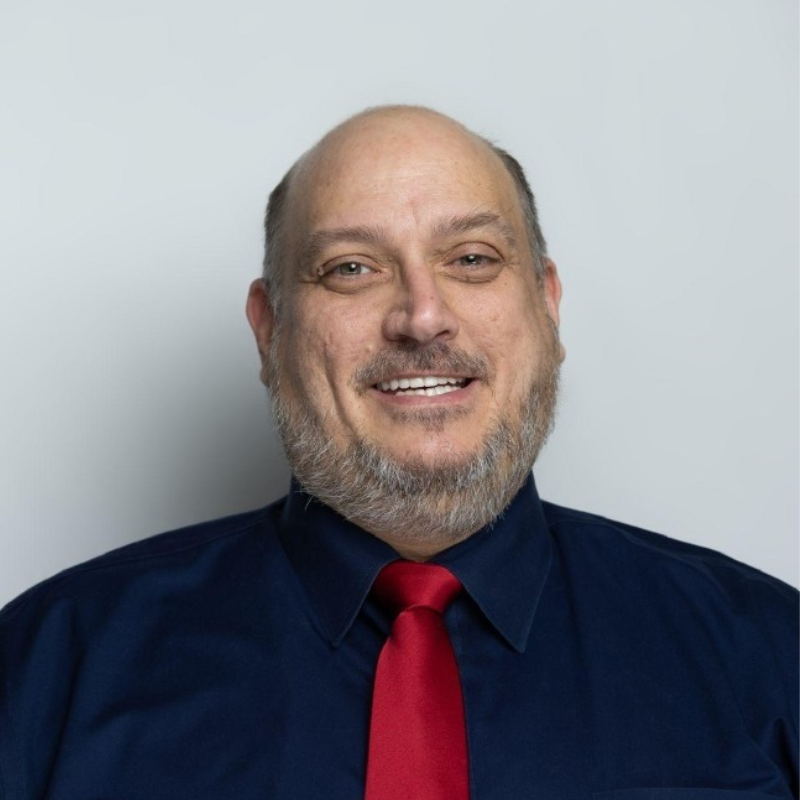
Medical Reviewer
David is the Executive Director at Lotus Recovery with over 27 years of experience in addiction and mental health treatment. He holds a Bachelor’s degree in Psychology from Edinboro University of Pennsylvania and a Master’s degree in Psychology from Capella University. David is a Certified Clinical Supervisor in both South Carolina and Pennsylvania and has served on Opioid Task Force Teams in Erie, PA and Buffalo, NY, with leadership experience across multiple levels of care in several states.

.webp)
.webp)