
How Does Outpatient Marijuana Rehab Work?
Wondering how outpatient marijuana rehab works? Learn the signs of cannabis use disorder, what treatment involves, and IOP options in Florence, SC.
"It's just weed." You may have said it to yourself, or heard someone you love say it. Maybe it's been said a little more often lately, usually right after a promise to cut back didn't stick.
Here's the thing. Plenty of people who never thought marijuana could be a problem end up searching for help quietly, late at night, because something isn't working anymore. If that's you, this post walks through how outpatient marijuana rehab works, what actually happens in it, and how to tell whether it might fit your life.
Yes, Marijuana Use Can Become a Real Problem
The clinical name is cannabis use disorder. The CDC estimates that about 3 in 10 people who use cannabis have it, and the risk is higher for people who started young or use often.
The CDC lists signs like these:
- Using more than you meant to, or for longer than you planned.
- Trying to quit and not being able to.
- Craving it when you don't have it.
- Needing more to get the same effect.
- Keeping on using even when it causes problems at home, at work, or with your health.
Stopping can also bring withdrawal. NIDA notes that people who use marijuana heavily and then stop often deal with irritability, trouble sleeping, anxiety, and cravings. Those symptoms are a big reason "I'll just stop on my own" can be harder than it sounds.
None of this makes you a bad person. It means your brain has adapted to a substance, and there are real ways to work with that.
What Outpatient Treatment Means
Outpatient treatment means you attend scheduled treatment sessions but don't live at the facility while you do it. You keep sleeping at home, and in many cases you keep working or going to school.
For marijuana, outpatient care is often a good match. There are currently no FDA-approved medications for cannabis use disorder, and withdrawal usually doesn't require round-the-clock medical monitoring. The heart of treatment is behavioral: learning new ways to handle stress, cravings, boredom, and the situations that used to end with getting high.
If you've never been through any kind of rehab, our guide to how outpatient rehab works step by step gives a broader picture.
How Does Outpatient Marijuana Rehab Work Day to Day?
Most programs follow a similar shape, even if the details vary. Here's how outpatient marijuana rehab works in practice:
1. An assessment comes first. A clinician asks about your use, your health, your mental health, and what's going on in your life. This helps decide which level of care fits you.
2. You build a plan. Your goals, schedule, and support system shape what your weeks look like.
3. Group sessions do a lot of the work. You sit with other people working through similar things. Hearing someone else describe your exact Tuesday night routine can be surprisingly powerful.
4. One-on-one time keeps it personal. Individual sessions focus on your specific triggers and patterns.
5. You practice skills between sessions. Because you're still living your normal life, you get to test what you're learning in real situations, then bring back what happened.
6. Aftercare planning starts before you finish. Nobody should walk out of treatment without knowing what support comes next.
What the Research Supports
NIDA points to three behavioral approaches that can help with cannabis use disorder:
- Cognitive behavioral therapy (CBT) helps you spot the thoughts and situations that lead to use and build other ways to respond.
- Motivational enhancement therapy helps you sort out your own reasons for change, without anyone lecturing you.
- Contingency management uses small, concrete rewards to reinforce staying sober.
SAMHSA's 2026 advisory on cannabis use disorder also notes that needs and risks change across different stages of life. That's one more reason a personal assessment matters more than a one-size-fits-all checklist.
Outpatient Marijuana Rehab at Lotus Recovery
At Lotus Recovery, we treat marijuana use as part of our addiction treatment programs in Florence, South Carolina. For many people, the right fit is our Intensive Outpatient Program (IOP), which is designed for people managing work, school, or family while in recovery.
Our IOP includes group therapy, one-on-one mentorship, 12-Step integration, life skills, and aftercare planning. You don't need any prior 12-Step experience to take part. Several of our team members have walked their own recovery path, and that shapes how we show up for the people we serve.
If you need more structure, our Partial Hospitalization Program offers a fuller day of care while you still go home in the evening. During your assessment, our team will help you figure out which level fits where you are right now.
Is Outpatient Marijuana Rehab Right for You?
Outpatient care tends to be a good fit if you:
- Have a stable place to live that supports your recovery.
- Want to keep working or caring for family during treatment.
- Are not dealing with a medical or mental health crisis that needs closer monitoring.
If you're using other substances alongside marijuana, or if you're struggling with your mental health, tell the team during your assessment. That information helps match you with the right level of care.
Still not sure what treatment would actually feel like? Our post on what to expect in outpatient rehab week by week can make the idea feel a lot less mysterious.
Talk With Lotus Recovery About Marijuana Addiction Treatment in South Carolina
You don't have to hit some dramatic low point before you deserve support. If marijuana is taking more from your life than it gives, that's reason enough to ask questions. Now that you know how outpatient marijuana rehab works, the next step can be a simple conversation. Reach out to Lotus Recovery today to talk with our admissions team in Florence about marijuana addiction treatment in South Carolina. You can also call SAMHSA's National Helpline at 1-800-662-4357, free and confidential, 24/7.
Medically reviewed by David Brooks, MA, Certified Clinical Supervisor.
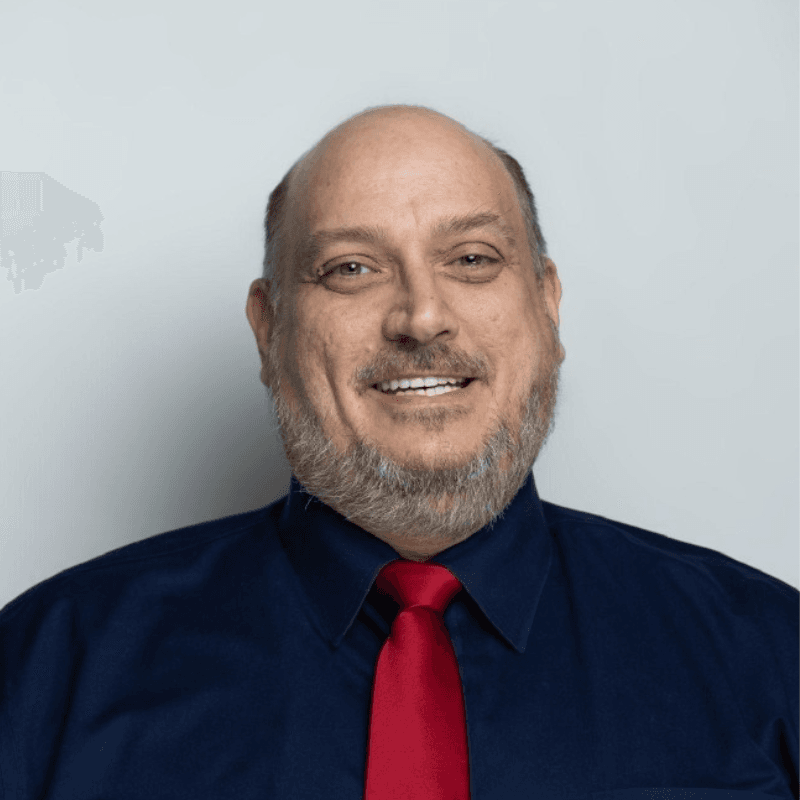
David Brooks
Medical Reviewer
David is the Executive Director at Lotus Recovery with over 27 years of experience in addiction and mental health treatment. He holds a Bachelor’s degree in Psychology from Edinboro University of Pennsylvania and a Master’s degree in Psychology from Capella University. David is a Certified Clinical Supervisor in both South Carolina and Pennsylvania and has served on Opioid Task Force Teams in Erie, PA and Buffalo, NY, with leadership experience across multiple levels of care in several states.